

Speed-to-lead is the gap between a buyer raising their hand and your first meaningful response — and in most GTM orgs, that gap is where inbound conversion gets lost. Every minute your team takes to contact a new lead after they express interest costs you real pipeline, wasted marketing dollars, and a competitive edge ceded to rivals.That’s why RevOps cares about speed-to-lead: it shows up immediately in routing, meetings booked, and pipeline created. And the blockers are usually the same — slow handoffs, limited coverage, and GTM stacks that weren’t built to engage and route in real time.
Below, we’ll define speed-to-lead, show what slow response actually costs, and lay out the practical steps RevOps teams use to shrink response time and move leads to a qualified next step.
What is speed-to-lead?
At its core, speed-to-lead is a metric that measures the time between when a new lead enters your system and when they receive a first meaningful engagement from your team. This engagement could be a human touch from a salesperson or, increasingly, an automated but intelligent response that advances the conversation.
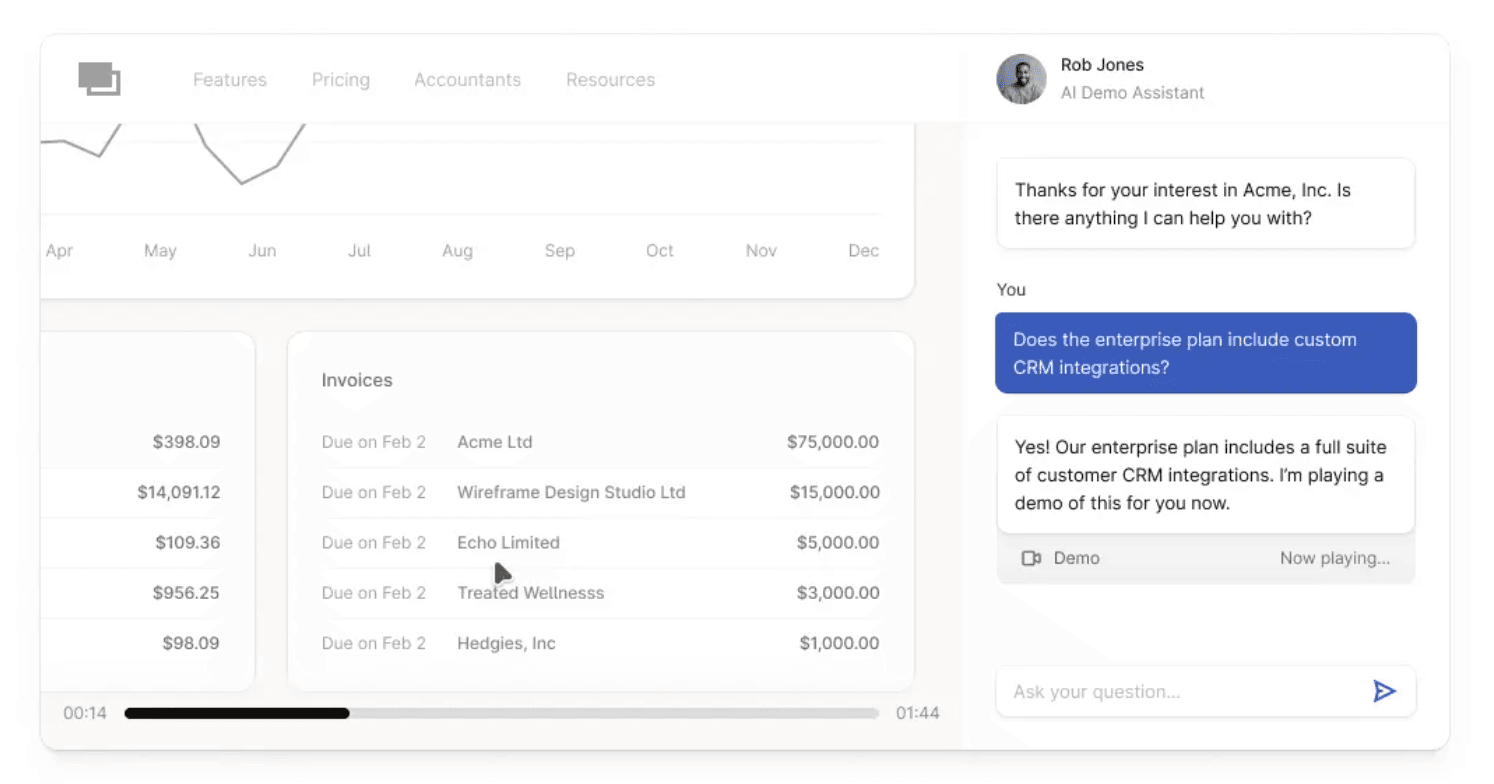
However, recent benchmarks suggest most B2B teams still respond in hours, not minutes.
Analysis of CRM and marketing automation data from 939 B2B companies (Q1–Q3 2025) found an average lead response time of 47 hours, with only 23% responding within 5 minutes and 42% taking longer than 24 hours.
And a 2025 field study — where demo requests were submitted to 114 B2B companies — saw a similar pattern: companies took 11 hours 54 minutes on average to send a personalized email response and 14 hours 29 minutes on average to respond by phone (with more than 99% missing the 5-minute window).
Why is the five-minute window used so often? It’s a practical proxy for “intent is still active”—the buyer is still in research mode, still on-task, and far more likely to engage before they lose interest or talk to someone else.
The high cost of slow lead response
Picture this scenario. A lead fills out a demo request or form on your landing page after interacting with content on social media or a targeted campaign. They’re evaluating options and expect a fast response. Instead, they wait hours or days before someone reaches out.
By the time your team follows up:
Their interest has waned
They might have spoken with a competitor
They could be less receptive or have already bought elsewhere
This shows up in your numbers:
Lost pipeline: More hand-raisers fail to turn into meetings and SQLs — so you create less pipeline from the same inbound volume.
Wasted spend: Marketing investments, from paid ads to content and SEO, fund lead generation, but slow follow-up turns those into sunk costs.
Sales friction: Manual outreach, cross-channel follow-ups (SMS, email, LinkedIn), and disjointed workflows drain team energy with diminishing returns.
From a Sales POV, manual follow-up means sales reps juggling multiple channels—email, phone, CRM tasks—just to keep leads warm. From a Marketing POV, it means high lead generation costs and poor lead conversion rates. And for RevOps and CROs, it reveals structural bottlenecks: fragmented stacks, disjointed routing, and missed contact form submissions.
To compensate, many organizations explore inbound SDR automation to remove human lag from early engagement. AI-driven systems can qualify and route leads in seconds, preserving buyer intent while reducing manual workload, without replacing human sellers.
Tools like Spara’s AI agents remove that lag by qualifying and routing inbound leads in seconds, right at the start of the funnel.
Why traditional GTM stacks can’t keep up
Many GTM teams rely on a patchwork of tools: static chatbots or forms that capture leads, email sequences that lag hours, or manual queues for qualified leads. But these legacy stacks fall short for several reasons:
Fragmented handoffs: Marketing captures leads but fails to route leads to the right person in real time.
SDR overload: Sales development reps get buried in manual triage, prioritization, and follow-ups instead of selling.
Glorified forms: Traditional contact form submissions or rule-based chatbots collect data but don’t meaningfully advance the conversation.
AI hype has only made this more confusing. Many teams think adding “AI features” to existing tools instantly fixes speed-to-lead. But in reality, these retrofitted capabilities often don’t improve real-time engagement, context awareness, or lead qualification.
Instead, they add surface-level automation while the underlying handoffs and decision logic stay the same, which means your leads still end up waiting in a queue.
What’s needed, then, is not just automation, but intelligent automation: systems that understand intent, gather firmographics, and route leads appropriately without manual intervention. That’s where AI-native systems, built from the ground up to engage inbound demand, outperform legacy tools that were never designed to respond in seconds.
Beyond speed-to-lead: the rise of speed-to-value
While speed-to-lead focuses on how quickly your team responds to a new lead, the next frontier in GTM is speed-to-value.
Speed-to-value means moving beyond contact as a measure of success toward instant, personalized qualification, routing, and value delivery, usually in the same moment the buyer expects it.
A simple comparison:
Metric | What it measures | What it optimizes for |
Speed-to-lead | Time until first response | Lead engagement and early conversion |
Speed-to-value | Time until lead receives real value (qualification + next step) | Higher conversion rates, better customer experience, and tighter sales cycles |
Speed-to-lead might get you in the door; speed-to-value gets you a qualified meeting, a deeper conversation, and a pipeline that moves faster through the MQL-to-SQL funnel.
High-performing teams know that just contacting a lead isn’t enough. Buyers expect contextual, relevant engagement, not generic outreach. Speed-to-value measures how quickly a lead receives meaningful progress in that first interaction, like clear qualification, a relevant answer, or a booked next step.
How leading RevOps teams improve speed-to-lead
For GTM teams ready to optimize speed-to-lead, change starts with intentional processes and tools that streamline lead management. Here’s how leading organizations approach it:
1. Audit lead routing and response workflows
Start by mapping out how leads currently flow through your stack, from landing pages and contact forms to your sales queue. Identify manual touchpoints, delays, and handoffs that add minutes or hours to what should be a real-time process.
2. Measure baseline response time across channels
Measure current lead response time across channels: email, phone, chat, SMS, and social media inquiries. This baseline tells you how far you are from the industry benchmarks, where the five-minute window is a useful threshold because intent is still active.
3. Automate lead engagement intelligently
Automation tools should do more than send a templated email. Systems like conversational AI agents can instantly engage leads in natural, goal-oriented interactions that ask qualifying questions, gather useful data, and even schedule demo requests without manual intervention.
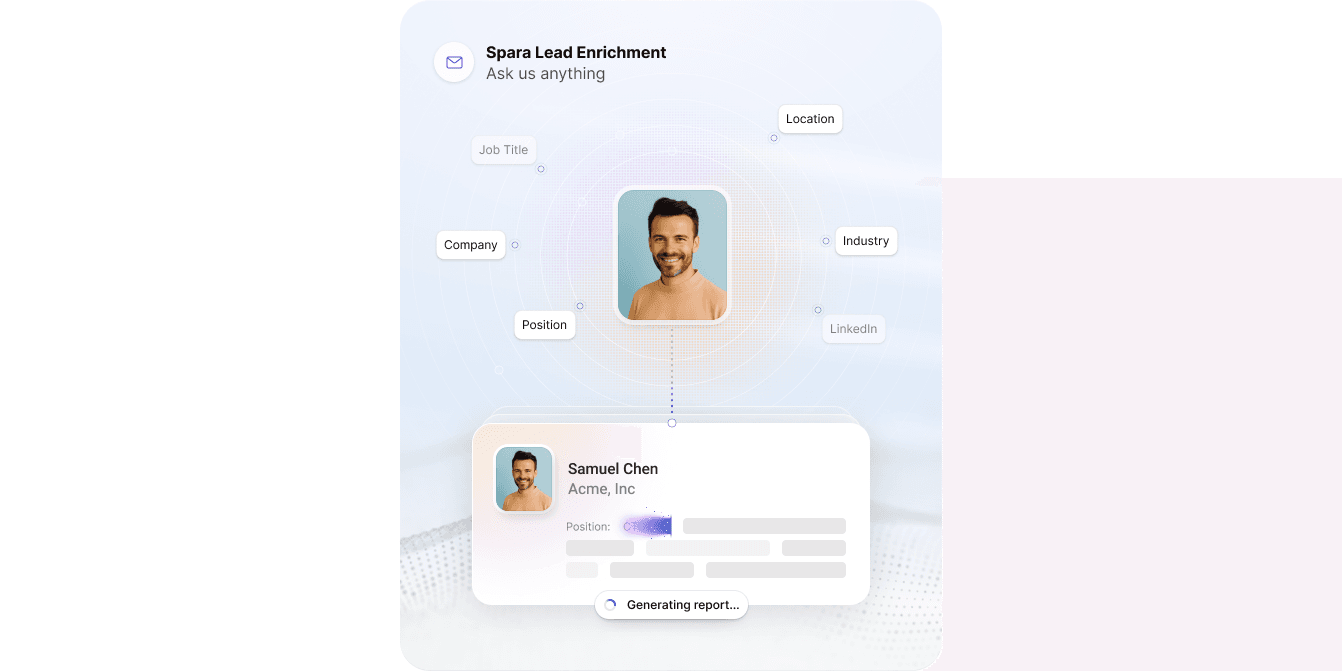
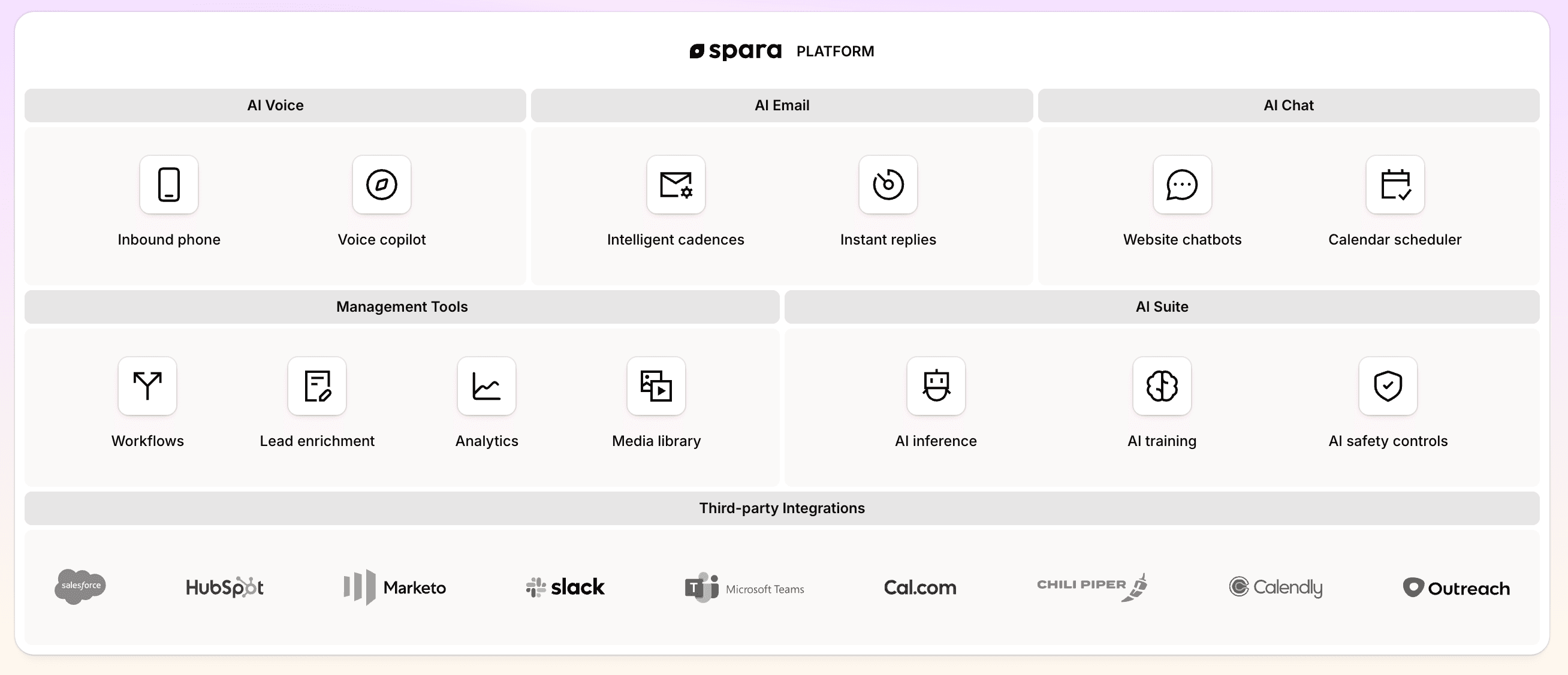
This is where AI-native platforms such as Spara (including AI chat, AI email, and voice AI) work best, by being trained on your company knowledge and buyer context, and integrated with your CRM to eliminate human lag.
4. Integrate real-time qualification into your CRM
Make sure every conversation feeds back into your CRM with accurate context and intent data. Spara instantly deanonymizes visitors and enriches leads with third-party data, giving your reps a clear picture of who they are. From there, leads qualify through real-time conversation. As the agent evaluates intent and fit against your predefined criteria, they can book a meeting directly in chat and the CRM updates automatically. Because Spara captures and syncs the full conversation data to your CRM, your reps see the exact questions they asked, products they explored, and how the conversation unfolded, so they can pick up the conversation with real context.
5. Track impact on MQL-to-SQL and meetings booked
Lastly, monitor how changes in speed-to-lead affect pipeline metrics: qualified meetings booked, demo show rates, and conversion rates. This data helps you justify investments in tools and refine lead qualification logic over time.
The future of GTM is instant, intelligent, and human
The world of inbound demand generation and lead management has evolved. Buyer expectations have shifted toward real-time engagement across channels, and teams that can’t keep up are paying the price in lost revenue.
Speed-to-lead is no longer just an operations metric. It’s a core differentiator that impacts customer experience, conversion rates, and your competitive posture. Teams that combine speed with intelligence—automating initial outreach while preserving quality and relevance—are the ones winning higher conversion and pipeline acceleration.
If you haven’t already, benchmark your response times, streamline workflows, and consider AI-native platforms that can engage and qualify inbound leads in seconds. In doing so, you’ll turn inbound interest into pipeline—and pipeline into predictable revenue.
If you’re evaluating how to modernize inbound engagement, exploring an AI-native GTM approach can help you shorten response time and convert demand while it’s still hot.
Learn how AI-native GTM platforms like Spara help RevOps teams shrink response time and turn inbound demand into revenue. Book a demo today.

Lauren ThompsonHead of Marketing, Spara
FAQs
Related posts
View all
GTM
Top 5 Drift alternatives in 2026 for better lead conversion
Drift is winding down and 1mind is the named successor, but it isn’t the only option. Five Drift alternatives compared, plus a migration checklist.
Oct 10, 2026
•
10 min read

GTM
Jon Harper on the four traps that stall complex deals before the proposal
Jon Harper's PEO reps closed 35 to 45% of the deals they proposed, but only 9% of first meetings ever got that far. The BizBenchmark founder breaks down the four traps that stall complex deals, and what to do instead.
Oct 9, 2026
•
4 min read

GTM
How Clay Built a Partner Motion That Drives 20% of Revenue
Nancy Mottice joined Clay as it moved from product-led growth into enterprise. Since then, partner-sourced revenue is up 16x and drives 20% of the business. Here are the six steps she took to get there.
Oct 9, 2026
•
7 min read
Sign up for the latest from Spara
Subscribe to get more GTM insights straight to your inbox.