

Think about the last time you had a great buying experience. The moment that actually stood out was the conversation. The one where you got answers right away, felt understood, and didn’t have to explain yourself twice.
That expectation didn’t happen overnight.
For years, buyers learned to wait. They filled out forms. They sat in inboxes. They hoped someone would follow up before interest faded. Then real-time chat showed up and changed the pace. Conversations started happening while buyers were still on the page.
But speed alone wasn’t enough.
As buying moved across websites, email, and phone calls, conversations began to fragment. Important context failed to carry over, intent became harder to capture, and interactions that felt fast still lacked continuity.
This is where conversational marketing software began to evolve. What started as simple chat tools has grown into a core part of how modern go-to-market teams capture intent, qualify interest, and guide buyers forward. And with AI-native platforms entering the picture, conversations are no longer just faster. They’re smarter, more adaptive, and far more useful.
In this guide, we’ll break down:
How conversational marketing software works
What problems it solves
How AI-native architecture is reshaping buyer conversations
The 5 best conversational marketing software solutions in 2026
What you need to prioritize when comparing platforms
High intent doesn’t stay high for long: Automate buyer qualification across chat, email, and voice — and sync every conversation to your CRM. Book a demo
What is conversational marketing software?
Conversational marketing software helps businesses engage with customers in real-time and move them forward through the buying process or toward booking calls.. It’s an efficient way of engaging visitors on your website, voice channels, or social media profiles to respond instantly and personalize the experience.
Earlier conversational marketing tools focused on basic marketing automation. They captured visitor information, asked a few predefined questions, and routed qualified leads to form fills or sales teams. Everything followed a fixed path, and conversations often felt static.
In contrast, modern conversational marketing software is AI-native. Instead of relying on static forms or linear qualification flows, it understands customer intent, qualifies interest, and determines next actions in real-time.
How does conversational marketing software work?
Modern conversational marketing software offers more personalized interactions by focusing on real customer intent. It replaces static rules with LLM-powered agents that understand context, intent, and conversation history. These agents are trained on your product information, marketing site, and customer data, so each conversation delivers a more personalized experience.
As more customers engage, the system gets smarter. It adapts to different communication styles, maintains context across channels, and adjusts responses based on user behavior. Qualification happens dynamically, and routing decisions are made based on your criteria and real intent.
This shift from scripted logic to adaptive agents has transformed conversational marketing. Conversations move faster, experiences feel personal, and the software no longer breaks when users go off script. This results in better customer satisfaction and higher conversion rates.
What problems does conversational marketing software help solve?
When responses lag, qualification breaks down, and conversations lose context, momentum disappears. Conversational marketing software exists to close these gaps. These are the core problems it’s designed to solve.
Low conversion rates from forms and slow SDR follow-up
With traditional forms, a visitor fills out a form, hits submit, and waits. In that window, a competitor can respond faster, your buyer can lose momentum, and the deal can disappear before your team even sees it. Conversational marketing software closes that gap.
As soon as someone lands on your site, the software steps in. It greets them, asks the right pre-qualifying questions, and answers questions with real context through AI chatbots. If the buyer meets your criteria, they’re routed straight to an available SDR or to book a call at their preferred time.
Instead of waiting for follow-up, buyers move forward in the funnel and reach the sales representative when their intent is still high, making it easier for sales teams to close deals.
Poor qualification accuracy from scripted or static workflows
Traditional qualification often relies on static rules like job title, industry, or company size to decide whether someone is a potential lead. While these criteria remain important, relying on them alone can limit qualification accuracy when buyer behavior and intent signals are ignored.
AI-native tools still use your defined qualification criteria, such as company size, industry, or role, but they also analyze real buyer behavior and engagement patterns to add context .Instead of applying rules rigidly, they evaluate how live signals align with those standards in real time
Qualification becomes dynamic rather than purely rule-based, combining your predefined standards with live intent signals to improve accuracy and drive better conversations.
Fragmented buyer journeys across chat, email, and voice
In many organizations, chat, email, and voice are powered by separate point solutions that don’t share context in real time. When a lead starts a conversation on chat and later follows up with a phone call, they often have to start again. This fragmentation creates operational inefficiency, forcing prospects to repeat information and sales teams to requalify conversations that should already carry context.
A connected conversational platform removes that friction by linking every channel into a single flow. AI chat agents, email agents, and voice agents work together, all powered by the same AI model trained on your product information, marketing sites, and past customer conversations.
Context carries over automatically, so the conversation continues instead of restarting. This unified approach ensures consistent engagement across channels.
Limited visibility into lead intent and conversation quality
Static form fills only tell you what you ask. If the question isn’t on the form, you never get the answer. AI-driven conversations work differently.
As customers engage, the system responds with personalized context and gathers meaningful information naturally through real-time conversations. It captures intent, urgency, and buying signals that forms can’t surface.
With this visibility, teams can spot opportunities faster and qualify leads more accurately. Sales teams also walk into conversations with context, helping them move deals faster and close with confidence.
What are the best conversational marketing software solutions in 2026?
The conversational marketing landscape has evolved quickly, and not all platforms are built the same. Some tools focus on structured chat experiences, while others are designed as AI-native systems that support the entire buyer journey.
Here are some of the leading conversational marketing software solutions to consider in 2026.
Spara
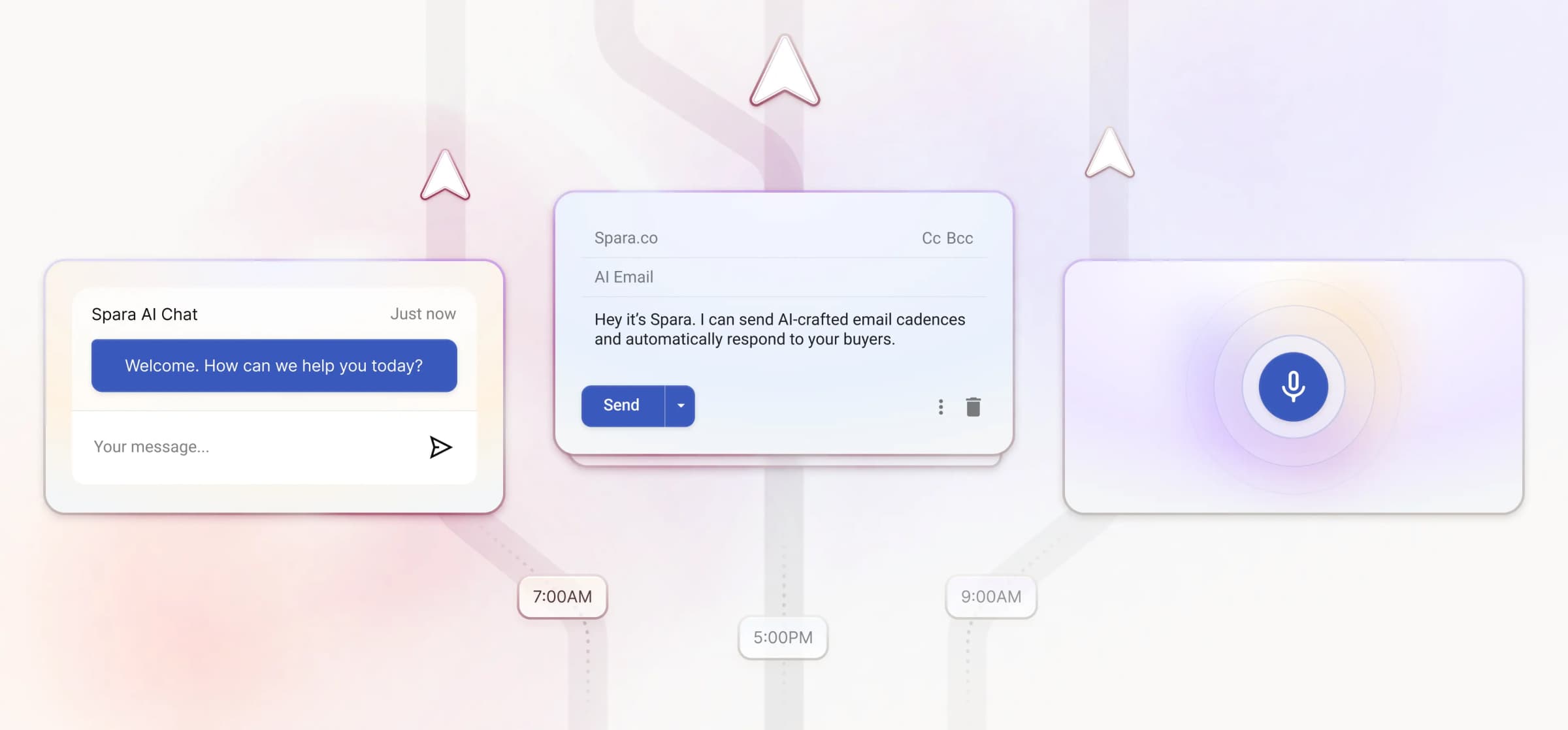
Spara builds everything around AI from the ground up. Unlike retrofitted tools, it operates as a single AI-native platform that connects chat, email, and voice into a unified system rather than separate point solutions.
Its core engine trains on your marketing pages and internal documents, allowing it to answer visitor questions with real context instead of generic replies while qualifying leads, booking meetings, and syncing every interaction directly to your CRM. This architecture is designed to improve response speed, maintain cross-channel context, and support end-to-end inbound workflows within one platform.
Best for: Modern GTM teams looking for a long-term AI-native solution that can support the entire sales cycle
High intent doesn’t stay high for long: Automate buyer qualification across chat, email, and voice — and sync every conversation to your CRM. Book a demo
Drift
Note: Drift's sunset has been announced following its acquisition by Salesloft and Clari. The platform is still operating, but it's no longer a viable long-term choice for new buyers.
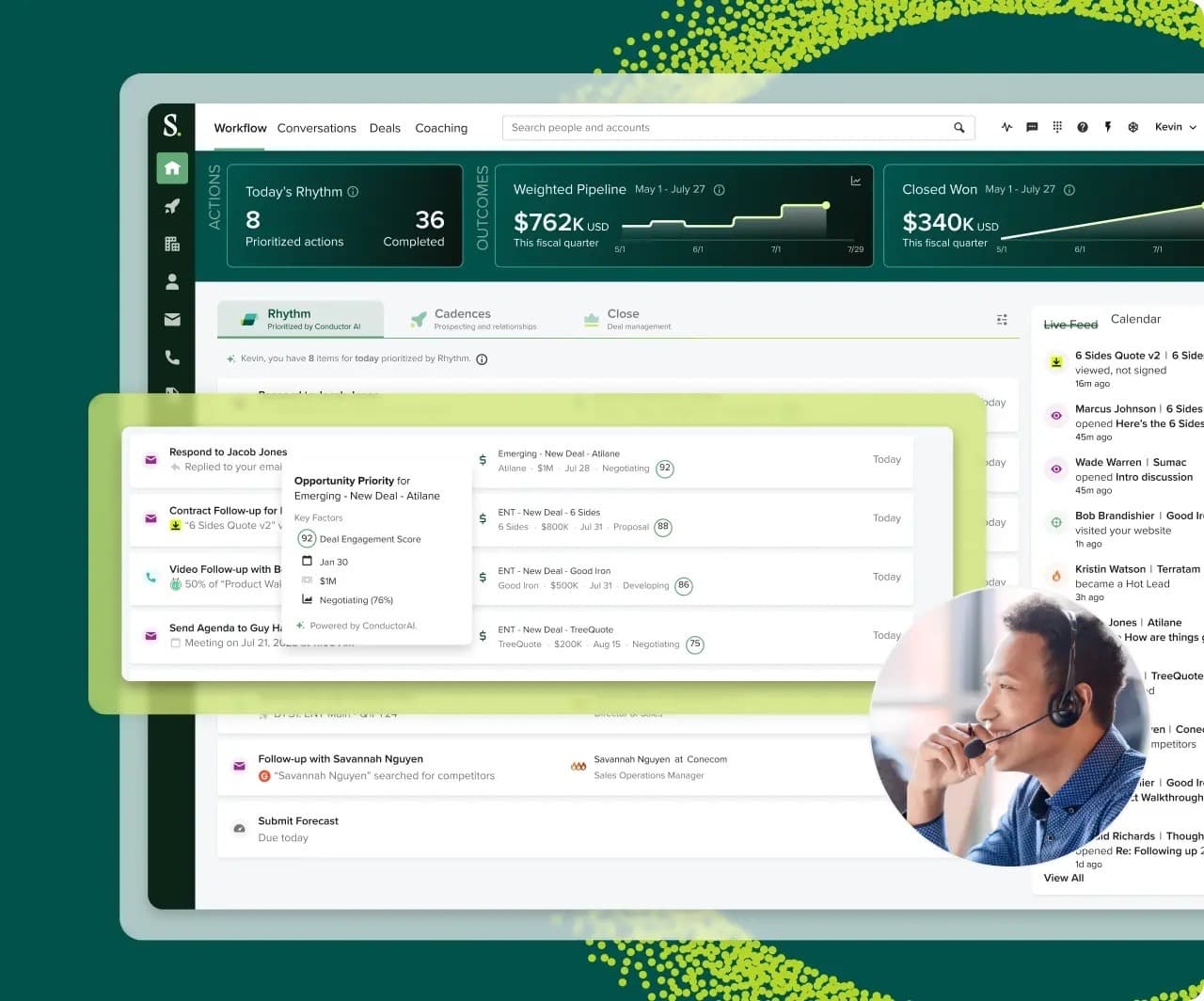
Drift was one of the early tools to popularize conversational marketing through automated chatbots. The platform focuses on engaging website visitors in real-time and qualifying them using predefined rules and structured flows.
Drift integrated with CRMs and automation tools to support lead qualification and meeting scheduling. Its AI layer helped make responses sound more natural, but it still followed structured decision flows under the hood.
Best for: Chat-only conversational marketing
Qualified
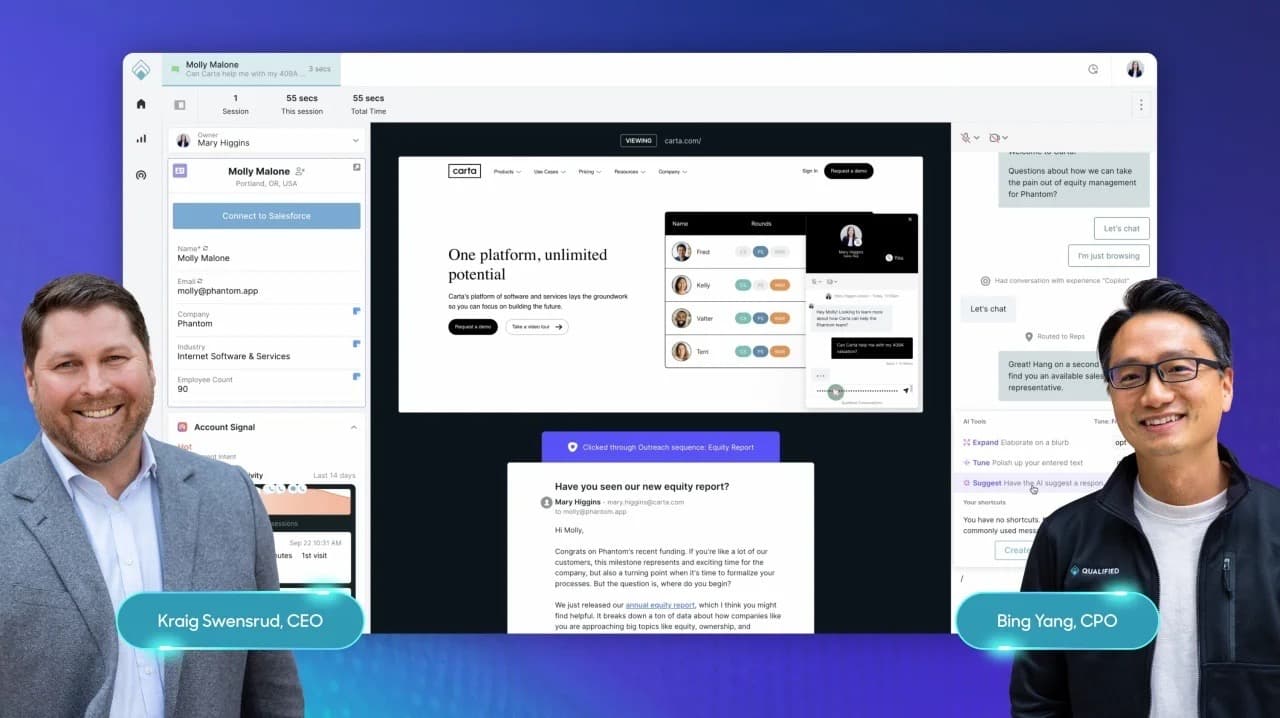
Qualified is a leading pipeline generation platform, especially for teams running Account-Based Marketing (ABM) programs. Its AI SDR agent, Piper, engages website visitors in real time, tailors the experience to each account, and qualifies leads using predefined criteria before routing them to book meetings with sales reps.
Qualified has historically positioned itself as deeply integrated with Salesforce CRM, and Salesforce has announced plans to acquire the company, further aligning it with the Salesforce ecosystem.
Qualified is primarily optimized for inbound ABM use cases and website engagement, rather than serving as a dedicated outbound prospecting platform.
Best for: ABM teams that rely heavily on inbound traffic
Intercom
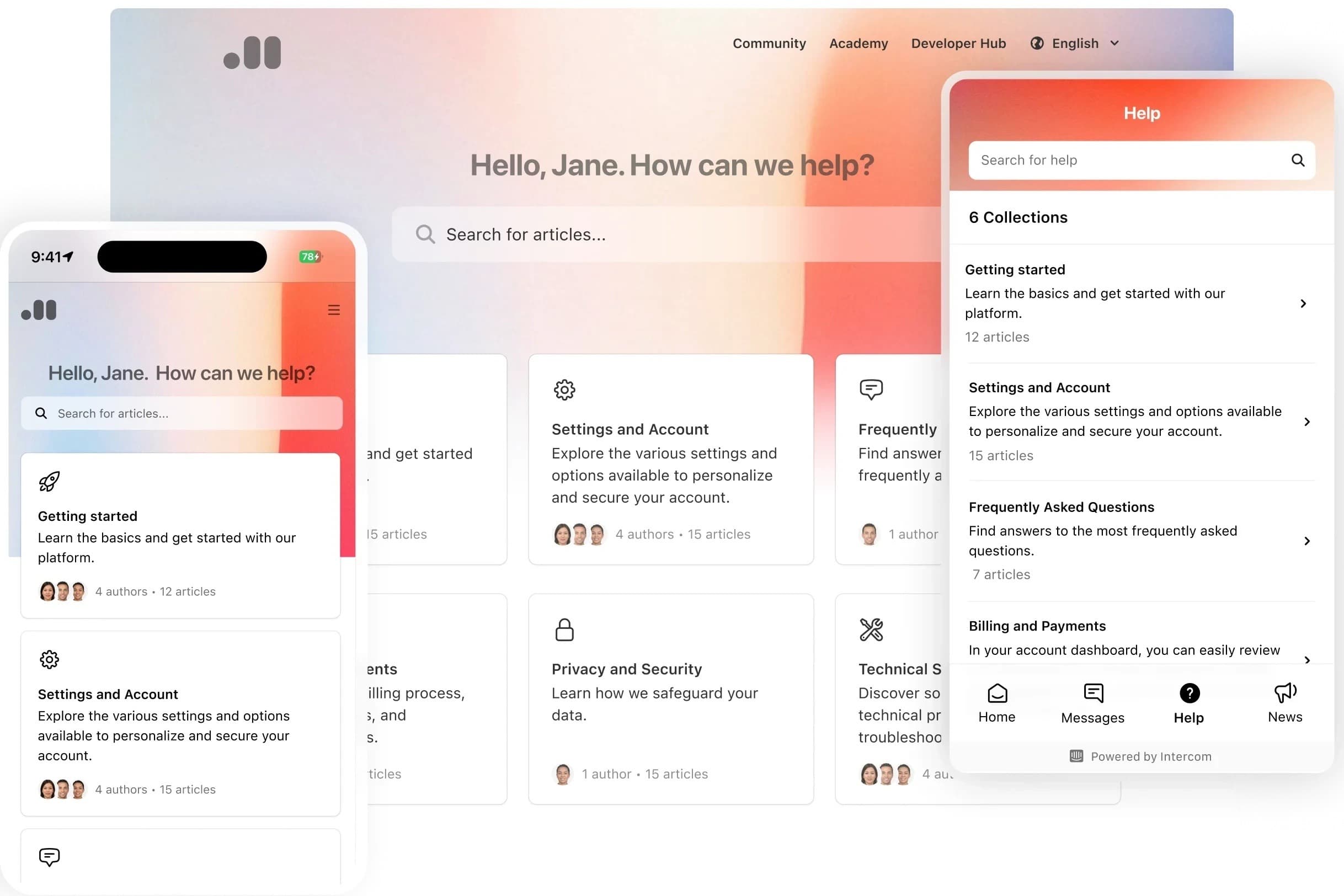
Intercom is an all-in-one customer support helpdesk that allows support teams to engage customers at critical moments in their journey. Its Fin AI agent can be installed across email, chat, and messaging apps like WhatsApp, Facebook, and Instagram, to answer questions and guide customers in real-time.
When Intercom encounters complex queries, it automatically routes them to the right human agent, keeping customers happy and wait times low.
Best for: Customer support and service teams that want to combine automation with a personal touch
HubSpot Chat
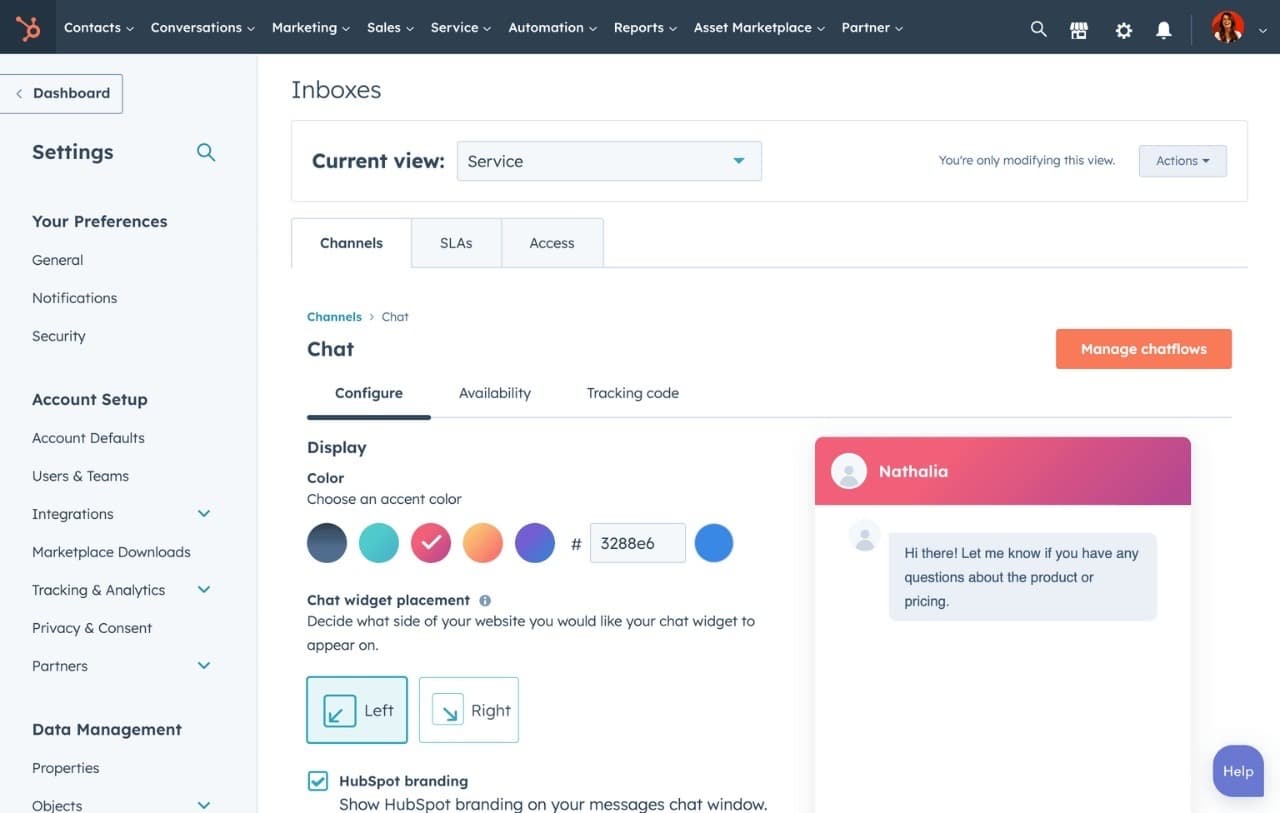
HubSpot Chat is part of HubSpot’s broader platform that brings marketing, CRM, and customer operations into a single system. It allows teams to build structured chat flows that guide visitors toward actions like booking a call or connecting with a live rep.
Beyond basic lead-routing chat flows, you can also build different data-driven workflows that react based on lead responses.
Best for: Teams who want an all-in-one, broad platform to manage their marketing, sales, support, and operations
What should you look for when choosing conversational marketing software?
Choosing the right conversational software means looking beyond promised features and understanding how the software is designed to engage, qualify, and scale conversations. Here are the key capabilities to look for when evaluating conversational marketing software.
AI-native architecture built after LLMs
Many tools still rely on sequential workflows behind the scenes and simply layer AI on top to rephrase responses. But true conversational AI tools understand intent and adapt to buyer responses in real-time.
This is only possible when the platform is designed around large language models from the start, not retrofitted later. That’s why you should choose an AI-native platform with LLMs embedded into its core architecture from the design phase.
Multi-channel intelligence
Today’s customers reach out on various channels, including websites, email, and phone calls. A strong conversational marketing platform keeps context intact across these touchpoints to support a seamless customer journey.
It also ensures each interaction builds on the last, regardless of where it happens. Leads get a consistent experience, and teams always have a clear view into full conversation history.
Fast deployment and low maintenance overhead
Sales, marketing, and revenue teams usually own conversational marketing tools. That means setup needs to be fast and day-to-day management needs to stay simple. The best platforms let teams deploy quickly without heavy technical work and make it easy to create, edit, and launch AI agents using plain English instead of complex logic.
Enterprise-grade compliance and brand safety
Conversational software touches sensitive customer data, so security can’t be an afterthought. A reliable platform follows strict standards and complies with regulations like GDPR, HIPAA, and SOC 2. It also encrypts data both at rest and in transit, and provides controls like role-based access and detailed logging for auditing and accountability.
It’s also worth understanding a vendor’s security track record. Platforms with a clean history and strong safeguards in place offer far more confidence when customer data is involved.
Proven conversion lift validated by customer results
At the end of the day, conversational marketing software needs to deliver real outcomes. Increased conversions, faster pipeline movement, improved lead generation, and measurable revenue lift matter far more than promised features.
The best way to validate this is through customer reviews and case studies. When existing users point to tangible business impact rather than vanity metrics, it’s a strong signal that the platform does what it claims.
How can teams get started with conversational marketing software?
Getting started with conversational marketing doesn’t require a complete overhaul of your existing process. With a few focused steps, teams can introduce conversational engagement in the right places and start seeing impact quickly.
Step 1: Identify where key conversations are happening across your funnel
Start by identifying where real buyer conversations are already happening, or where high-intent moments occur but engagement is currently limited to static experiences. These usually show up at moments of high intent, like pricing pages, demo requests, inbound emails, in-app interactions, or key marketing pages where visitors are actively evaluating options—even if those experiences are currently static forms or one-way touchpoints.
In many cases, these touchpoints rely on forms or one-way interactions, leaving buyers waiting for a response rather than engaging in a live conversation. They reveal where buyers are already asking questions and looking for guidance, which makes them the best place to introduce conversational engagement.
Step 2: Define qualification criteria, routing rules, and success metrics
Define what qualification means for your business. In modern AI-native systems, teams don’t need rigid rules based on job title or company size.
Instead, teams define intent signals, readiness indicators, and disqualifying factors in plain English, supported by real examples. The AI agent then identifies the right pre-qualifying questions, gathers the necessary details, and qualifies leads based on those criteria.
Teams can also describe routing logic in plain English. For example, they can route very high-intent qualified leads directly to a live sales rep or allow them to schedule a meeting, while sending lower-intent leads into self-serve nurturing paths.
Finally, decide how you’ll measure success. Focus on metrics that reflect real outcomes, such as more booked meetings, higher-quality leads, or improved customer experience.
Step 3: Integrate your conversational workflows with CRM, email, and calendar systems
Conversational marketing software sits at key engagement points in your funnel, guiding buyers while collecting valuable context along the way.
To make that data useful, the platform needs to connect cleanly with your CRM so lead records stay complete and up to date. Email integration matters just as much, since follow-ups and outreach feel far more relevant when they reflect what buyers already shared in the conversation.
The next step after qualification is routing leads to book meetings, so calendar integration is important. When these systems work together, teams stay aligned. Sales receives qualified leads with full conversation history, and marketing gains clear visibility into how conversations influence the pipeline.
Step 4: Launch a pilot, measure outcomes, and refine based on real conversations
It’s time to deploy the AI agents at the high-impact touchpoints in the funnel. In modern AI-native platforms like Spara, teams can define qualification logic and routing rules in plain English, then launch agents across their preferred channels without heavy setup.
Now keep monitoring the outcomes. Review real conversations to understand where the system succeeds and where it needs refinement. Adjust qualification logic, routing behavior, and responses based on actual buyer interactions. Finally, track whether accuracy and personalization improve as the AI interacts with more visitors.
Convert more inbound traffic with Spara AI
Inbound traffic only matters if it turns into real momentum. When buyers arrive with intent, the experience needs to meet them where they are and help them move forward without friction. That’s where conversational marketing makes the difference by creating live, contextual engagement instead of disconnected handoffs.
AI-powered conversational software takes this further by engaging buyers immediately, understanding intent as it unfolds, and qualifying interest with far greater accuracy. Conversations carry context across channels, so buyers can move forward without repeating themselves or restarting the journey.
Spara AI brings these capabilities together in an AI-native platform designed for real-time engagement, accurate qualification, and omnichannel continuity. For teams looking to get more value from their inbound traffic, see how Spara’s AI agents turn conversations into qualified pipeline.

Lauren ThompsonHead of Marketing, Spara
FAQs
Related posts
View all
GTM
Drift sunset 2026: timeline, impact, and next steps
Salesloft retires Drift on January 31, 2027. See what stops working, when unexported data is deleted, and how to plan your move.
Oct 16, 2026
•
8 min read
GTM
Drift review 2026: what it did, where it fell short, and what to use instead
Drift is being retired on January 31, 2027. What it did well, what reviewers said, and what to look for in its replacement.
Oct 16, 2026
•
10 min read

GTM
Drift pricing in 2026: plans, costs, and what to budget now
Drift's last public price was $2,500 a month for Premium, billed annually. See what each plan included, what the sunset changes, and what to budget now.
Oct 16, 2026
•
6 min read
Sign up for the latest from Spara
Subscribe to get more GTM insights straight to your inbox.