

Revenue leaders comparing Spara and Chili Piper are no longer choosing between fundamentally different categories. Both platforms now use AI to improve how inbound leads are captured, qualified, and routed.
The real decision is how deeply you want automation embedded across your funnel, and how much control you need over qualification, engagement, and pipeline creation.
At a high level, the tradeoff looks like this:
Optimizing routing, scheduling, and speed-to-meeting once intent is captured, or
Orchestrating AI-driven engagement, qualification, routing, and conversion across the entire inbound journey
Though Chili Piper's core strength remains routing infrastructure and calendar orchestration, helping teams quickly connect qualified leads to the right reps with minimal friction, it has expanded beyond scheduling into AI-powered chat. This means it now engages visitors earlier in the funnel, answering questions and moving them toward a booked meeting before a form is submitted.
Contrast that with Spara, which is built from the ground up as a GTM AI agent platform. It enables revenue teams to deploy AI agents across voice, chat, email, and text, engage buyers in real time, qualify them through adaptive conversations, and route them into CRM workflows with full context and bidirectional data sync.
This means you can use Spara to automate the entire inbound journey, from first touch to a qualified meeting in your CRM, without relying on forms, manual SDR outreach, or disconnected point solutions.
Understanding how those differences play out in practice is what this comparison is designed to help with, specifically across the criteria that matter most to RevOps and sales leaders: Pipeline impact, qualification quality, routing flexibility, and CRM visibility.
What Spara and Chili Piper both do well
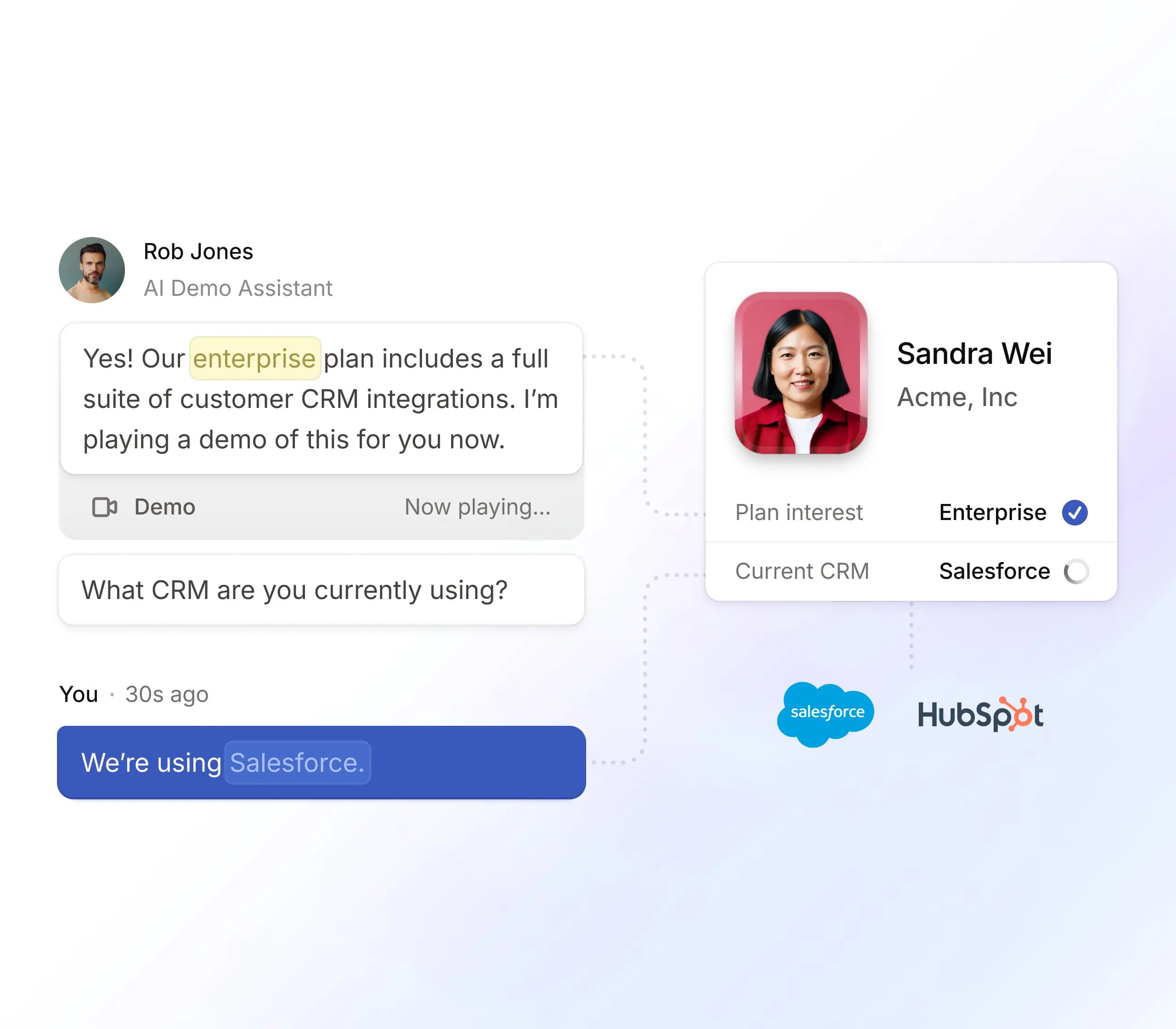
Both Spara and Chili Piper exist to reduce friction between inbound interest and human follow-up, and both are proven upgrades over manual routing and unstructured handoffs.
Across both products, you can expect:
Native CRM integrations: You can keep your current CRM as the source of truth, with leads and meetings tied back to existing records.
Routing to the right rep: Both tools respect ownership rules such as territory, account owner, or round-robin pools, so you avoid internal conflicts and double-contact.
Inbound conversion acceleration: Chili Piper optimizes the path from form submission to scheduled meeting. Spara replaces traditional forms entirely, engaging visitors in real time, qualifying them through conversation, and converting them into meetings.
Support for territory and coverage rules: You can encode the routing logic you already enforce manually, which reduces errors and speeds up response.
Where the two platforms diverge is in how early that automation begins, how conversational the qualification gets, and how much context ends up in your CRM.
Where Spara and Chili Piper diverge across 4 key areas
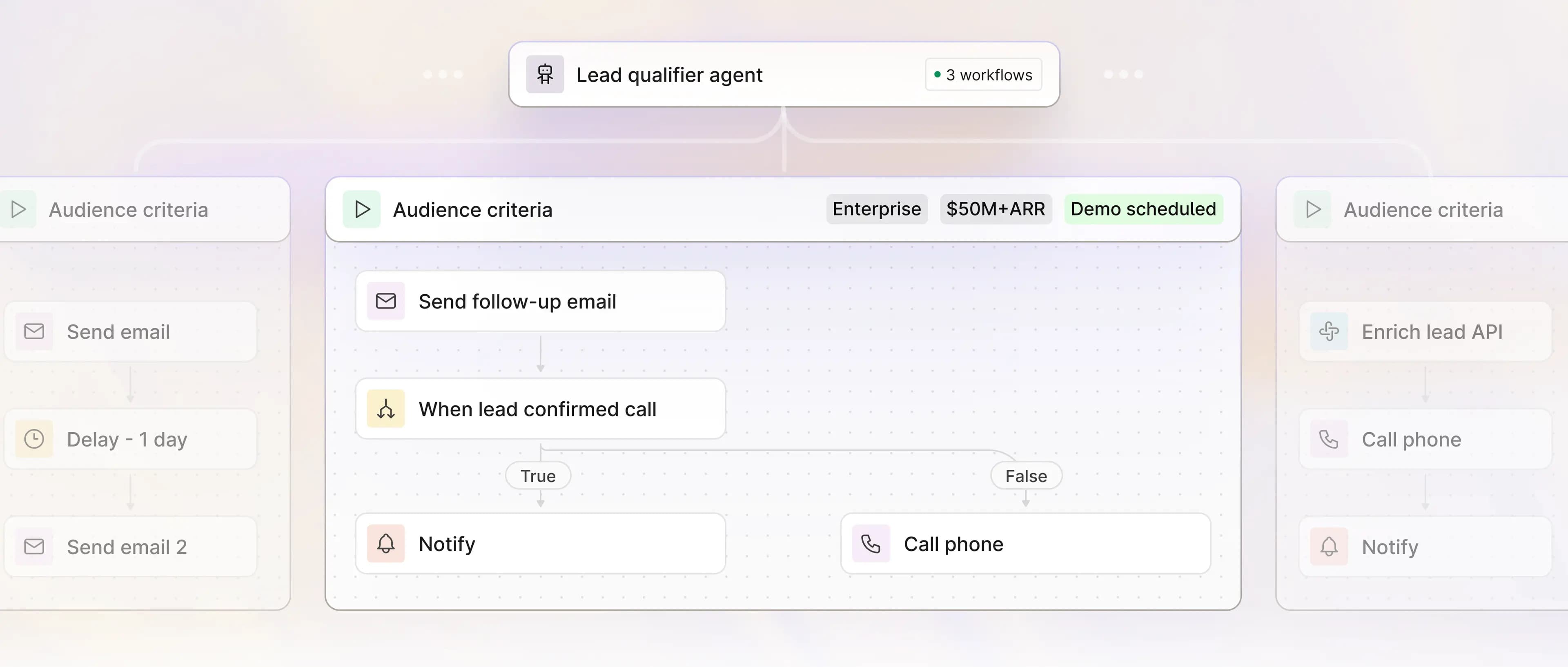
From a distance, both Spara and Chili Piper improve inbound efficiency. In practice, they optimize different parts of your funnel.
1. Where automation begins
Chili Piper has expanded into AI-powered chat and inbound conversion, but its core strength remains routing and scheduling once a prospect has expressed intent.
Typical workflow:
Prospect submits a demo request or engages via chat
Chili Piper reads CRM data and form fields
The platform routes the lead to the right rep
The prospect books meetings instantly via calendar scheduling
Key strengths include:
Round-robin routing
Real-time calendar availability
Automated meeting scheduling
Reduced back-and-forth coordination
Chili Piper's automation is strongest once inbound intent has been identified and needs to be converted into a scheduled meeting.
Spara starts earlier. Instead of waiting for a form submission, Spara's AI agents engage visitors directly on your site via chat, answer questions, and run qualification through conversation in real time. If a visitor doesn't convert, agents can follow up via email or voice to re-engage and continue the qualification process, all before a meeting is ever requested.
Across those touchpoints, Spara's agents can:
Engage website visitors in chat
Follow up via email, text, and voice
Ask discovery questions and capture firmographic data
Qualify prospects through real conversations
Route qualified leads automatically to the right rep
Sync qualification data and context back to your CRM
This allows revenue teams to instantly engage, qualify, and convert inbound leads to revenue.
Decision lens: If your biggest gap is the lag between a completed form and a booked meeting, Chili Piper's scheduling focus is often enough. If you see drop-off before form submission, or your team spends too much time figuring out which inbound hand-raisers are truly qualified, Spara's earlier entry into the journey may create more pipeline lift.
2. Qualification depth and routing flexibility
Chili Piper uses rule-based routing driven by form fields and CRM data. You define conditions such as region, company size, or product interest, and Chili Piper sends the lead to the right rep or queue. This works well when your qualification criteria are clear, stable, and fully captured in your forms or marketing automation.
Spara uses AI-driven qualification workflows. Instead of asking everything in a form, Spara's AI agents ask follow-up questions, clarify use cases, and collect missing context across chat, email, or voice.
For example, Spara can:
Ask about use cases
Identify budget or buying timelines
Determine the appropriate product line
Route leads to the right sales team
Because qualification logic lives in the conversation rather than a form, RevOps teams can update criteria and workflows without rebuilding routing rules from scratch every time.
Decision lens: If your routing needs rarely change and you can comfortably qualify using a fixed set of form fields, Chili Piper's rules-based approach is often enough. If qualification criteria vary by segment, region, or product, Spara's conversational approach makes it easier to evolve qualification criteria as your GTM motion changes.
3. Multi-channel engagement vs scheduling optimization
Chili Piper is strongest where converting identified intent into a booked meeting is the priority. Whether that intent comes through a form submission or a chat interaction, Chili Piper's core value is turning that signal into a scheduled meeting with as little friction as possible. That experience is valuable for high-volume teams where the main bottleneck is speed from hand-raise to calendar.
Spara is designed to keep the conversation moving regardless of where a buyer engages. A visitor who starts in chat but doesn't book can be followed up via email, text, or voice, with full context carried across each interaction. That continuity is what separates a multi-channel platform from a collection of separate tools.
Decision lens: If your priority is converting identified intent into a booked meeting as quickly as possible, Chili Piper is built for that. If you need to engage, qualify, and nurture buyers across multiple channels before they're ready to book, and you want AI doing that work instead of SDRs, Spara turns more of your traffic into pipeline.
4. CRM visibility and pipeline proof
Chili Piper captures routing decisions and booking metrics, such as how many meetings were scheduled, which reps received them, and conversion rates from form fill to calendar. That reporting is useful when your main success metric is scheduling efficiency.
Spara writes structured qualification data and engagement activity directly into whichever CRM you use, with bidirectional sync that allows data to both inform and trigger workflows in real time. This includes:
Qualification responses
Conversation transcripts
Engagement activity
Routing decisions
Intent signals
You see what questions prospects asked, how the AI responded, which qualification criteria they met, and why they were routed to a specific owner. Those details show up as fields and activities that RevOps can use for funnel analysis, attribution, and continuous optimization of qualification logic.
Decision lens: If you primarily track meetings created and need basic routing analytics, Chili Piper provides that view. If you want to connect AI-led engagement and qualification to opportunity creation, conversion rates, and deal quality, Spara's structured CRM data creates a clearer link between inbound activity and revenue.
Operational requirements before choosing either platform
Before you commit to either product, confirm that your RevOps foundations are ready. Both tools will accelerate what already works, but neither can compensate for broken processes or messy data.
Key requirements include:
Clean CRM ownership rules: Leads and accounts must have clear owners in Salesforce, HubSpot, or whichever CRM you use. If ownership is inconsistent or outdated, any routing engine will misfire.
Defined qualification criteria: Sales and marketing have to agree on what counts as a qualified lead or meeting. That definition drives your routing logic and AI workflows.
Documented territory and routing logic: Both tools rely on explicit rules, so routing logic that lives in a manager's head will create friction during implementation.
Calendar discipline and SLAs: Reps need accurate calendars, clear expectations around response times, and accountability for attending booked meetings.
Aligned marketing-to-sales handoff: Be clear about who owns follow-up at each stage, from first engagement through opportunity creation.
How to choose between Spara and Chili Piper by GTM motion
The right platform depends on your inbound bottleneck, so pay attention to the following criteria when choosing between Spara and Chili Piper.
Scenario 1: High-volume demo requests with clear qualification
Chili Piper often fits best when your inbound engine already generates a large number of hand-raisers who meet simple, well-understood criteria. If the main bottleneck is scheduling friction rather than qualification accuracy, Chili Piper's routing and calendar orchestration is usually enough to improve conversion meaningfully.
Scenario 2: Inbound qualification gaps and multi-channel engagement
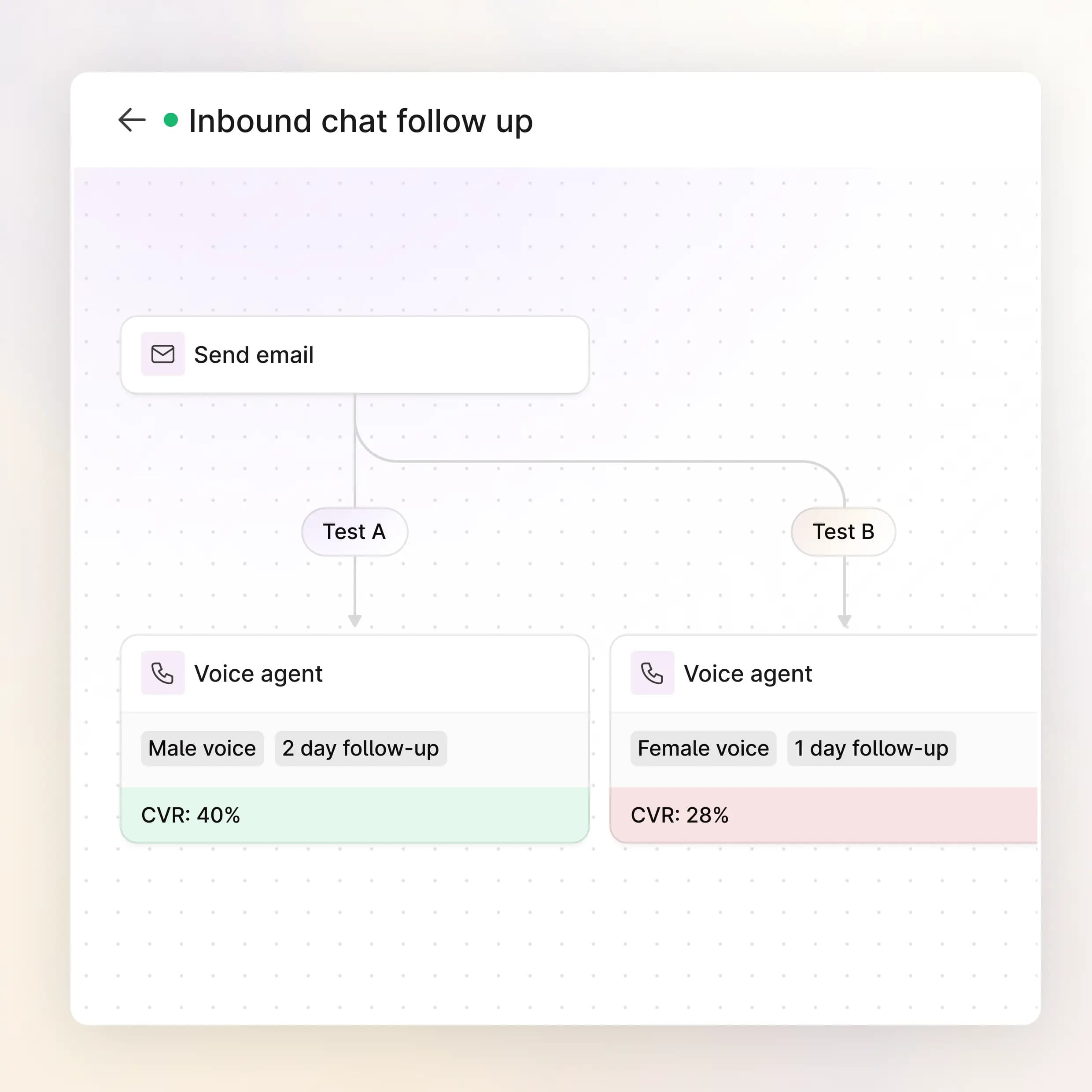
Spara is stronger when your biggest issue is separating real opportunities from noise and engaging visitors before they disappear. So, consider Spara if your team struggles with:
Website visitors dropping off
Unqualified leads consuming SDR time
Missing context before sales calls
With inbound SDR automation, Spara's AI agents help you:
Instantly engage visitors
Qualify leads automatically
Route only high-intent prospects
Spara helps teams protect speed-to-lead, reduce manual SDR work on unqualified leads, and give AEs better context before the first meeting.
Scenario 3: Enterprise routing with complex, evolving logic
For organizations with complex GTM motions, routing logic rarely stays static. As your business grows, the rules that govern who handles which leads, and how, tend to shift faster than a rules-only system can keep up with. Common examples include:
Strategic accounts that need to bypass standard routing and go directly to named AEs
Partner-sourced leads that require different handling than direct inbound
Multi-product qualification where the right rep depends on what the prospect is actually evaluating
Region-specific routing that changes as territories are restructured
In these environments, Spara's AI-driven workflows and CRM-level configuration provide more flexibility than a rules-only system. You can adjust qualification logic by segment without rebuilding forms or routing rules from scratch every time the business changes.
Spara vs Chili Piper: the bottom line for revenue teams
Chili Piper is purpose-built for routing and scheduling, whether that's from a form submission or a chat interaction. If you already trust your qualification process and your main bottleneck is quickly turning hand-raisers into meetings, Chili Piper aligns well with that requirement.
Spara focuses on AI-led qualification, engagement, and routing across AI Chat, AI Email, AI Text, and AI Voice, tied directly into your CRM workflows.
For teams that need structured qualification data, adaptable routing, and multi-channel engagement before a human conversation, Spara provides more coverage across the inbound journey so your SDRs and AEs can consistently focus on your highest-value prospects.
Inbound revenue teams win when every lead gets immediate engagement. Spara's AI agents help you instantly engage, qualify, and convert leads to revenue, ensuring prospects never have to wait for a response. Talk to our team.

Lauren ThompsonHead of Marketing, Spara
FAQ
Related posts
View all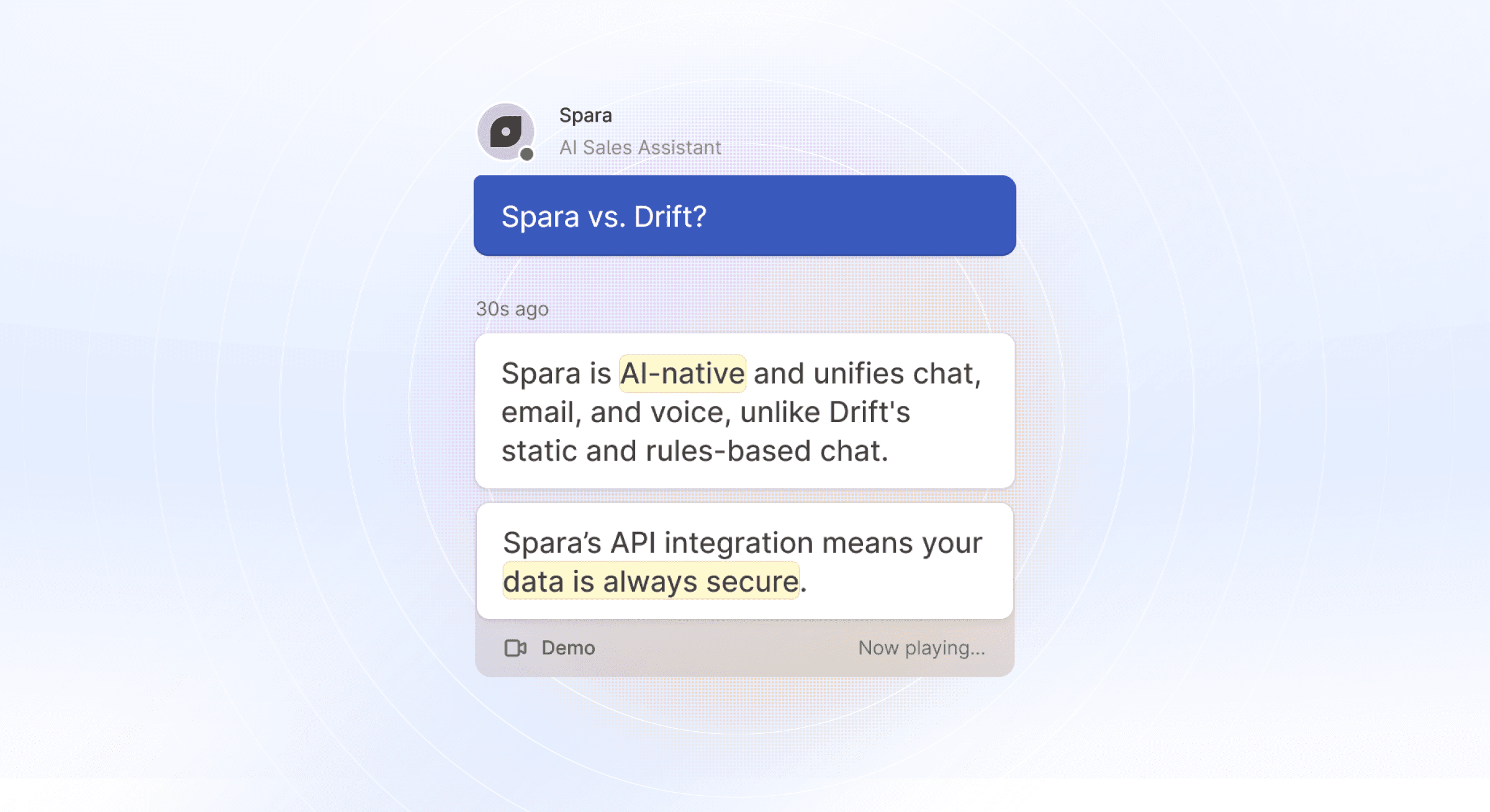
GTM
Top 5 Drift alternatives for better lead conversion
Drift alternatives drive more conversations, leads, and revenue growth. From AI chat to product demos, they personalize every stage of the customer journey.
Sep 14, 2026
•
10 min read

GTM
Databricks' Barry Dauber on why every project should start with impact, not AI
Barry Dauber runs Gen AI go-to-market at Databricks, talking companies down from AI hype every day. Here's his framework for scoping an AI project: name the metric, classify the initiative, and reserve the model for what actually needs one.
Sep 2, 2026
•
4 min read

GTM
How Clay's Head of GTM Engineering Took Event ROI From 2x to 10x
Everett Berry treats every dinner like a funnel. Here's the six-stage system — golden lists, leader-to-leader invites, engineered seating, automated follow-up — that took Clay's event ROI from 2x to 10x.
Aug 26, 2026
•
5 min read
Sign up for the latest from Spara
Subscribe to get more GTM insights straight to your inbox.