

If you're evaluating Chili Piper alternatives, you've likely already identified a key gap: Scheduling gets meetings on the calendar, but it doesn't solve qualification depth, routing flexibility, or CRM visibility.
And this is the point at which most teams make the switch from Chili Piper, when routing rules outgrow what a scheduling tool can handle, or when meeting quality starts to lag behind meeting volume.
This guide is for Sales, RevOps, and Marketing leaders who are actively evaluating options. You'll see how leading Chili Piper competitors compare on routing logic, qualification depth, CRM integration, automation scope, and time-to-value.
You'll also get a focused feature checklist and an evaluation framework so you can pick a platform that matches how your GTM motion actually runs.
Is your scheduling tool actually converting inbound traffic into pipeline? Spara instantly engages, qualifies, and converts leads to revenue with AI across voice, chat, email, and text. Book a demo.
Chili Piper alternatives at a glance
The table below summarizes how each platform compares across the criteria that matter most when replacing Chili Piper. Use it to narrow your shortlist before diving into the full write-ups.
Tool | Best for | Primary channel | Qualification depth | Routing method | CRM support | Time-to-value |
Spara | AI-driven inbound qualification and multi-channel automation | Chat, email, voice | High (AI, multi-signal) | AI-guided + policies | Salesforce, HubSpot, Outreach, and any other CRM | Days to weeks |
LeanData | Salesforce-heavy enterprise routing orchestration | CRM-native | Medium (rules-based) | Territory, round-robin, account-based | Salesforce (native) | Weeks to months |
Qualified | Salesforce-native conversational routing | Website chat + scheduling | Medium (visitor intelligence) | Account owner and role-based routing | Salesforce (native) | Weeks |
HubSpot | Simple native CRM scheduling for existing users | CRM-native forms + meetings | Low to medium (workflows) | Round-robin, criteria-based | HubSpot (native) | Days to weeks |
6sense | Intent-driven account orchestration and prioritization | Multi-channel orchestration | High (predictive intent) | AI-based account scoring | Salesforce, HubSpot, others | Months |
ZoomInfo | Enrichment-led routing with data intelligence | CRM-native + integrations | Medium (enrichment + matching) | Territory, round-robin, custom rules | Salesforce, HubSpot, others | Weeks to months |
Calendly | Calendar-first scheduling workflows | Scheduling links + pages | Low (basic routing) | Team availability, round-robin | Salesforce, HubSpot, others | Days |
Data accurate as of March 2026
If you mainly need simple scheduling, HubSpot or Calendly can work. If your real problem is qualification depth, territory logic, or multi-channel engagement, consider Spara, LeanData, Qualified, 6sense, or ZoomInfo.
Best Chili Piper alternatives in 2026
1. Spara: Best for inbound qualification and multi-channel GTM automation
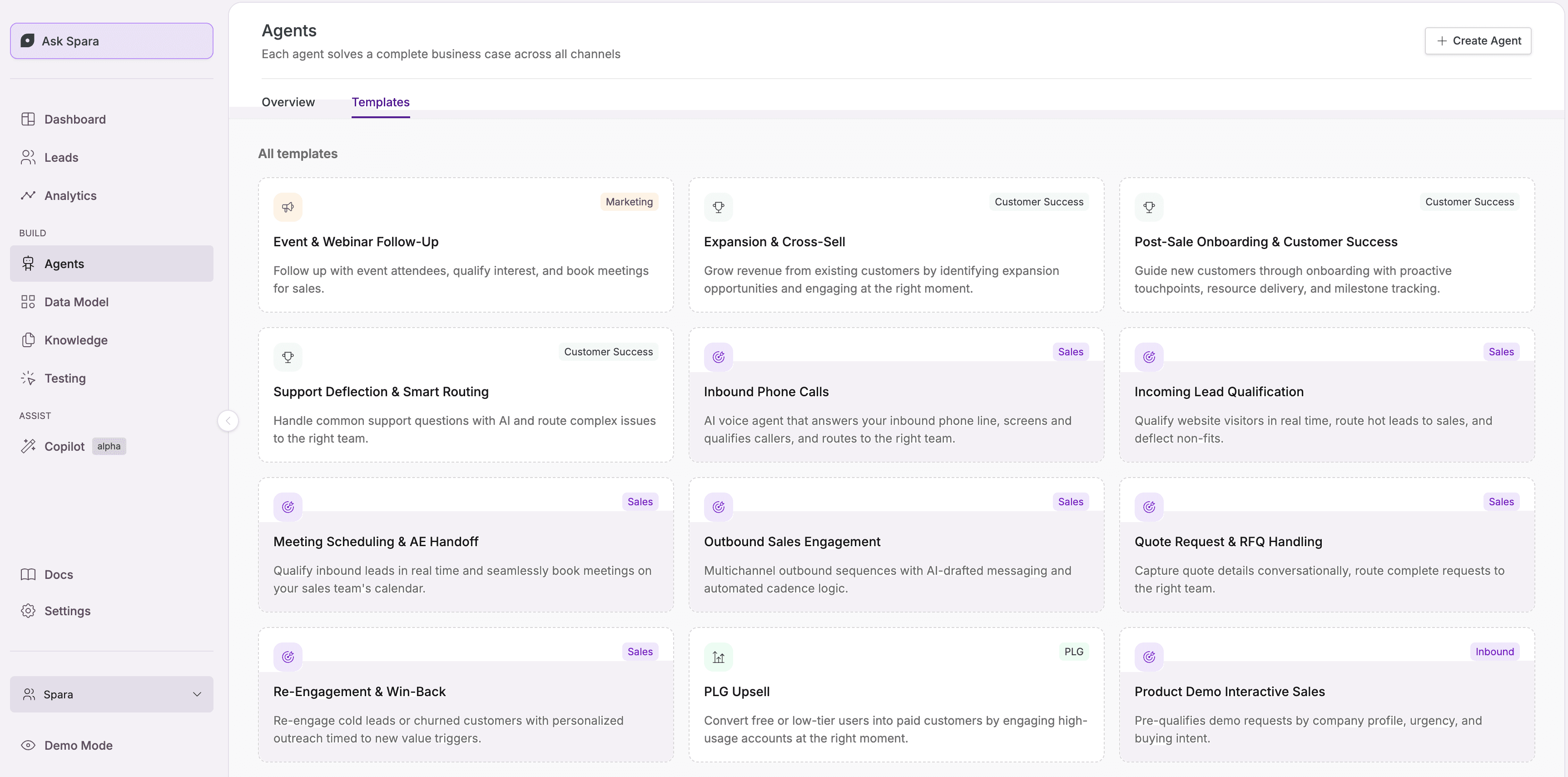
Spara is an AI-native inbound platform that focuses on what happens before a calendar invite: Real-time qualification, intelligent routing, and multi-channel engagement across AI Voice, AI Chat, AI Email, and AI Text.
Instead of treating scheduling as the starting point, Spara acts as an always-on SDR layer that responds in seconds, runs discovery, updates your CRM, and then books the right meeting.
For GTM teams that live and die by speed-to-lead and qualification accuracy, Spara's end-to-end workflows connect the full motion from form or chat to a qualified meeting on the right rep's calendar. Early customers like Rho have seen a 3.1x increase in form-to-meeting conversion and 137 qualified meetings booked in a single quarter, with every interaction automatically logged to Salesforce before the AE gets on the call.
Selected featuresIntelligent routing with minimal rule maintenance: You define high-level policies such as territory, segment, or product, and Spara uses those plus real-time signals to route to the right AE, SDR, or queue.
Real-time CRM enrichment: Conversation data is written into your CRM as structured fields at the lead and account level, along with meeting outcomes.
Calendar and Slack integration: Spara books on existing Chili Piper or Calendly infrastructure and sends Slack alerts with full context when qualified meetings land.
Mid-market and enterprise B2B teams with meaningful inbound volume.
Orgs with complex territories, multi-product routing, or distributed teams.
Leaders who care as much about meeting quality and CRM hygiene as raw booking counts.
“Spara helped us scale during a period of immense demand. Now our reps only engage when it counts. And every lead gets a guided, high-conversion experience."

Tommy McNultyChief Revenue Officer, Rho
2. LeanData: Best for Salesforce-heavy enterprise routing
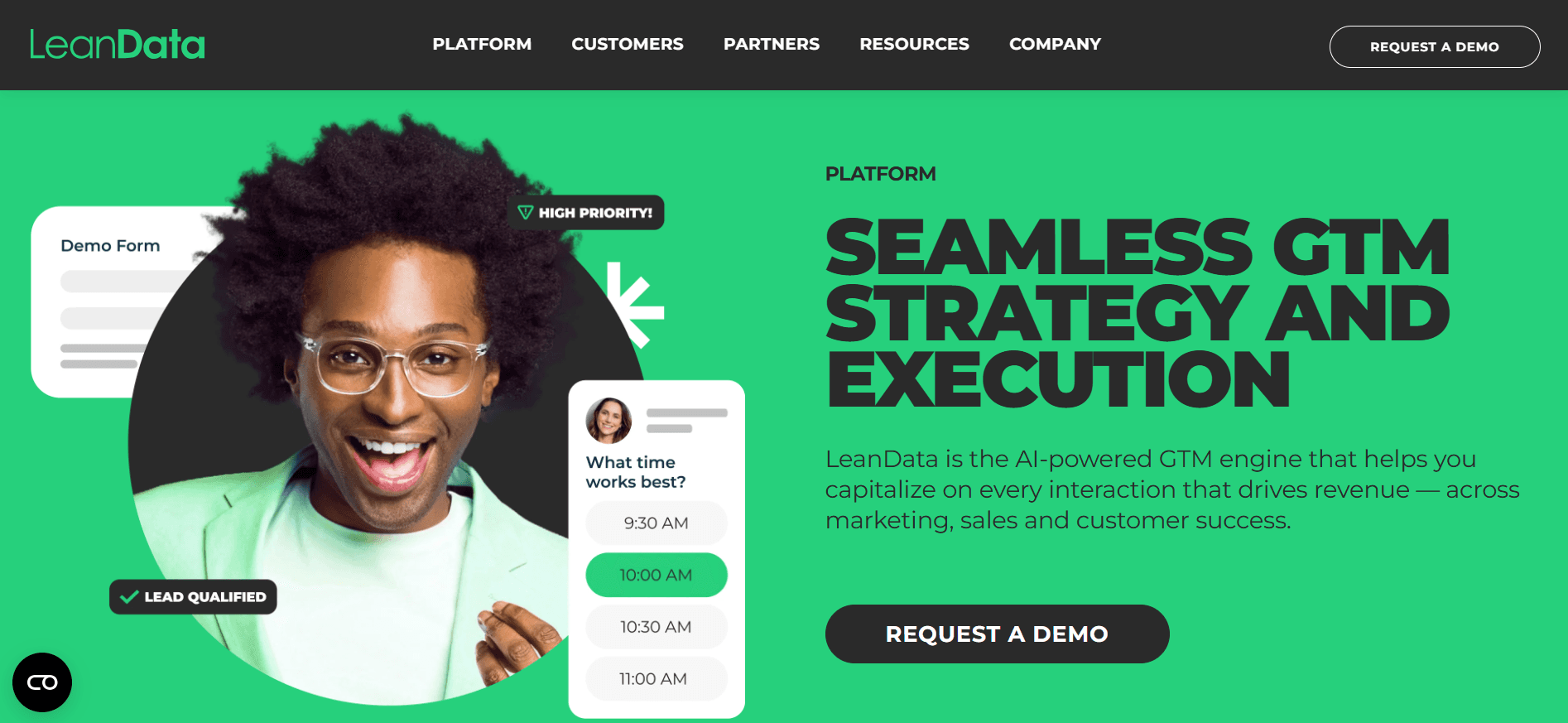
LeanData is a Salesforce-centric routing and matching platform for teams that run most of their GTM workflows inside Salesforce and need granular, rules-based control.
Selected featuresVisual FlowBuilder to design complex lead, contact, and account routing without code.
Lead-to-account matching and duplicate management to keep Salesforce ownership and attribution accurate.
BookIt scheduling module that adds meeting booking directly into routing flows.
LeanData fits Salesforce-first enterprises with well-defined territories, account models, and RevOps resources to maintain flows. It's less suited to multi-CRM environments or teams that want AI-driven qualification rather than large rule sets.
3. Qualified: Best for Salesforce-native conversational routing
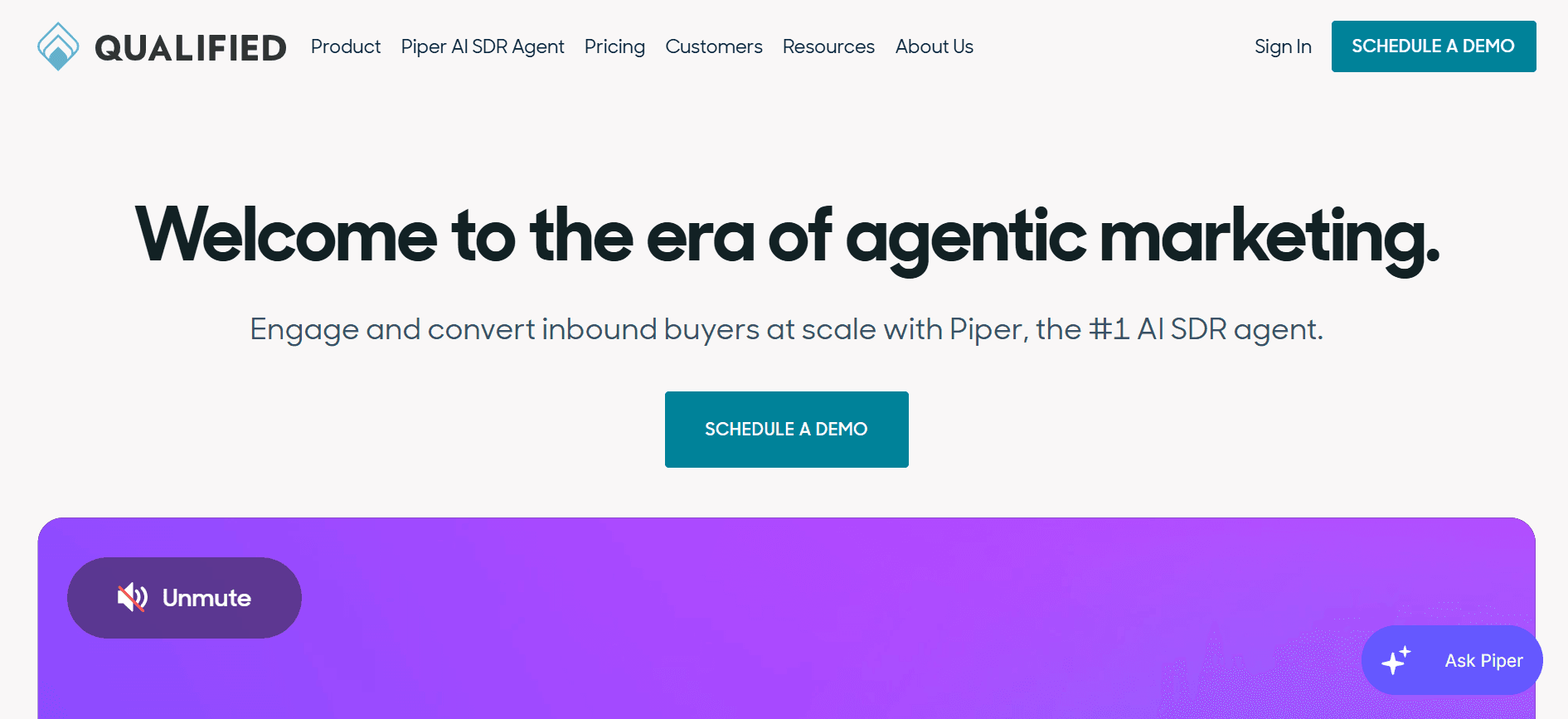
Qualified focuses on turning high-intent website visitors into meetings by combining live chat, bots, and Salesforce data.
Selected featuresSalesforce-based visitor identification that decides who sees premium chat and booking experiences.
Dynamic routing based on owner, ABM tier, language, and other Salesforce fields.
Multi-participant scheduling that checks calendars for AEs, SEs, and account owners before presenting slots.
Choose Qualified if your website is a primary demand source, Salesforce is your authoritative system, and you run ABM programs. If you need deep email or voice workflows or operate outside Salesforce, it can feel limiting.
4. HubSpot: Best for simple native CRM scheduling
HubSpot's Meetings tool and workflow engine give existing HubSpot customers a straightforward alternative to Chili Piper without adding another vendor.
Selected featuresWorkflow-based routing that assigns leads by round-robin, geography, score, or other properties.
Meetings, links, and pages that support round-robin and group availability while logging everything to the CRM.
Conditional form logic that shows different fields and triggers different workflows based on responses.
HubSpot is ideal if you already run your CRM and marketing automation there, have relatively simple routing, and want to minimize tool sprawl. It's less effective once you introduce complex territories, multi-segment routing, or advanced intent-based qualification.
5. 6sense: Best for intent-driven account orchestration
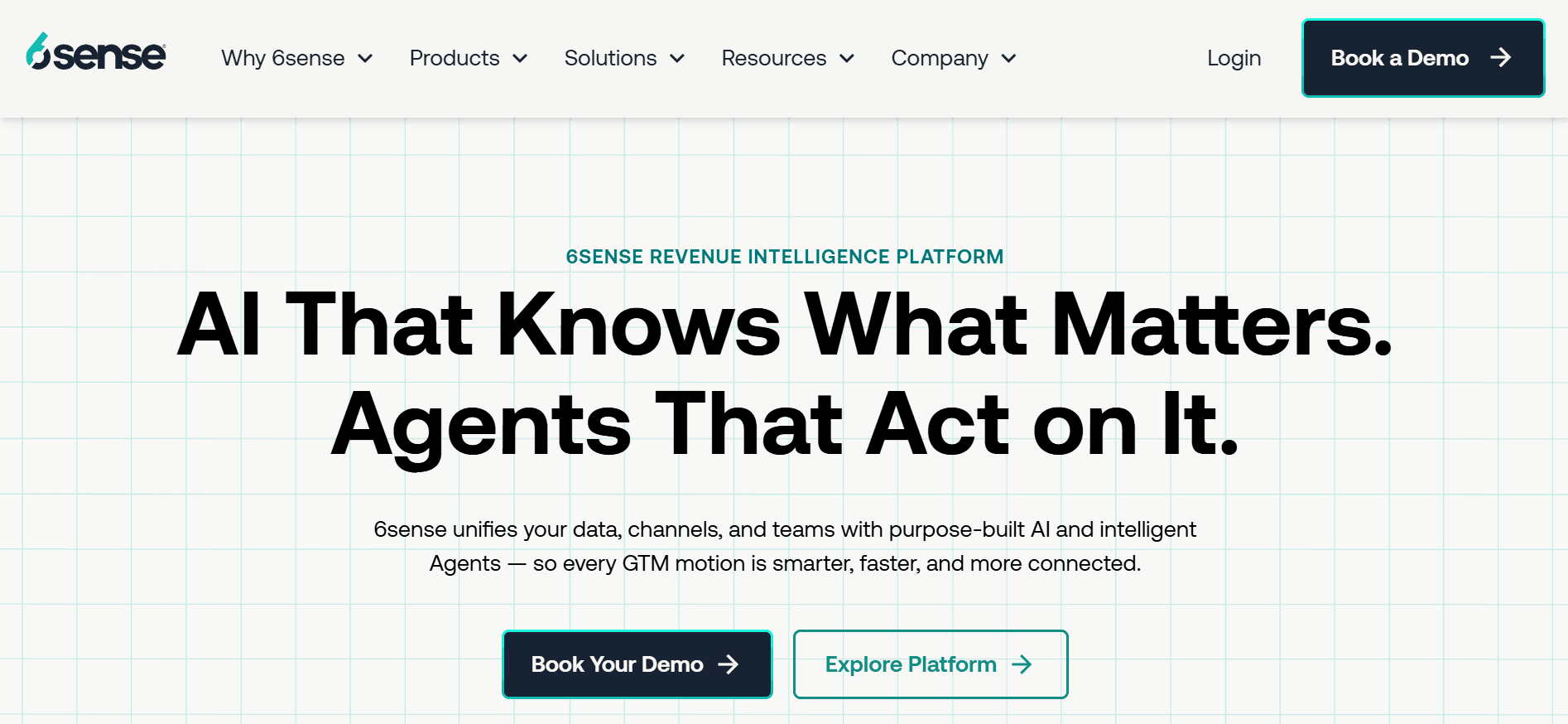
6sense is an enterprise-grade intent and account orchestration platform. It often sits upstream of routing and scheduling decisions rather than replacing calendar tools directly.
Selected featuresPredictive buying stage models based on large-scale intent signals.
Account scoring and prioritization that surfaces which accounts deserve attention today.
Orchestration across ads, outbound, and sales plays based on stage and fit.
Consider 6sense if you have an enterprise budget, dedicated RevOps resources, and long, multi-stakeholder sales cycles. It's overkill if you mainly need a pragmatic replacement for Chili Piper's scheduling and routing in the next quarter.
6. ZoomInfo: Best for enrichment-led routing support
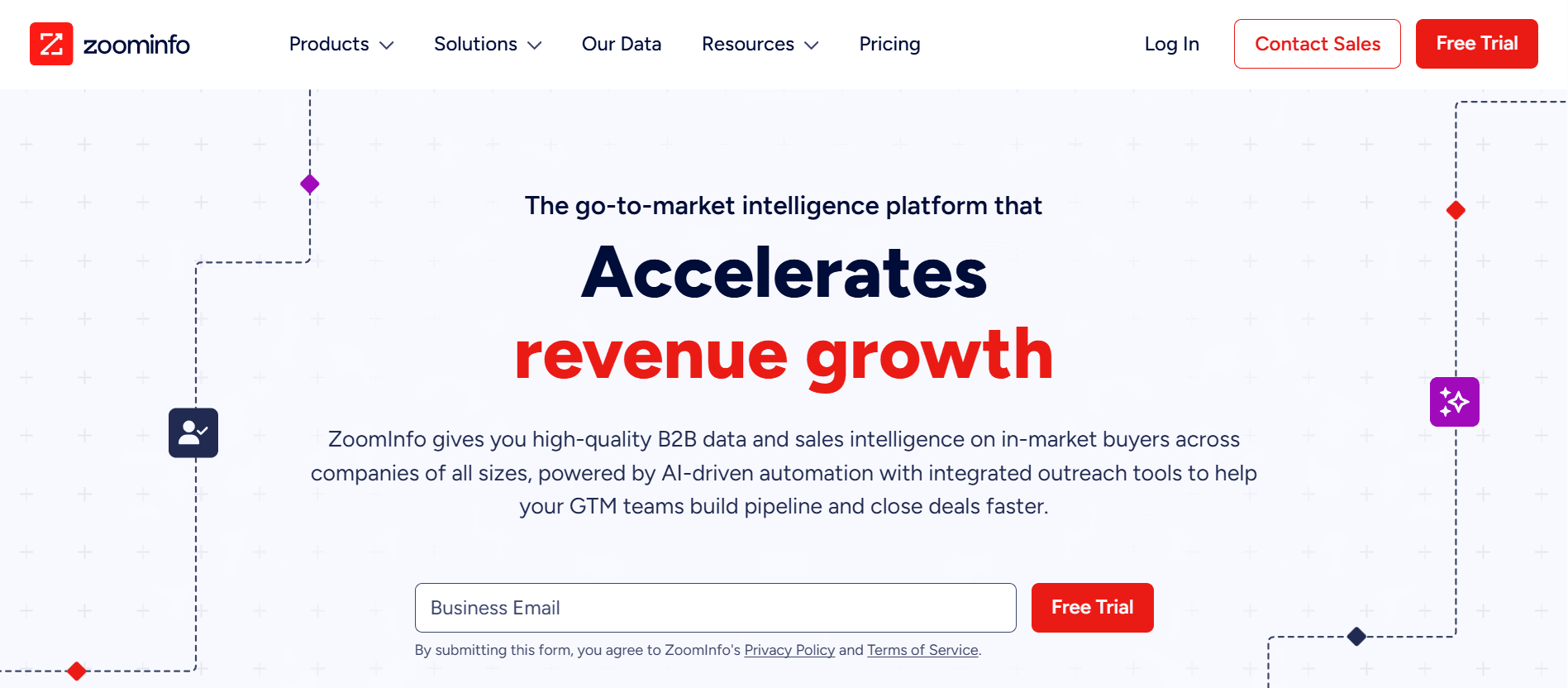
ZoomInfo is compelling when data quality and enrichment are your main blockers to accurate assignment.
Selected featuresLead-to-account matching and enrichment from ZoomInfo's B2B database.
Rules-based routing builder for territory and round-robin assignment.
Support for balancing rep load and managing overflow queues.
ZoomInfo is a strong fit if your routing problems stem from incomplete data, poor account mapping, or messy territories. It's not a full replacement for Chili Piper's scheduling on its own, so you'll still maintain a separate booking layer.
7. Calendly: Best for calendar-first scheduling workflows
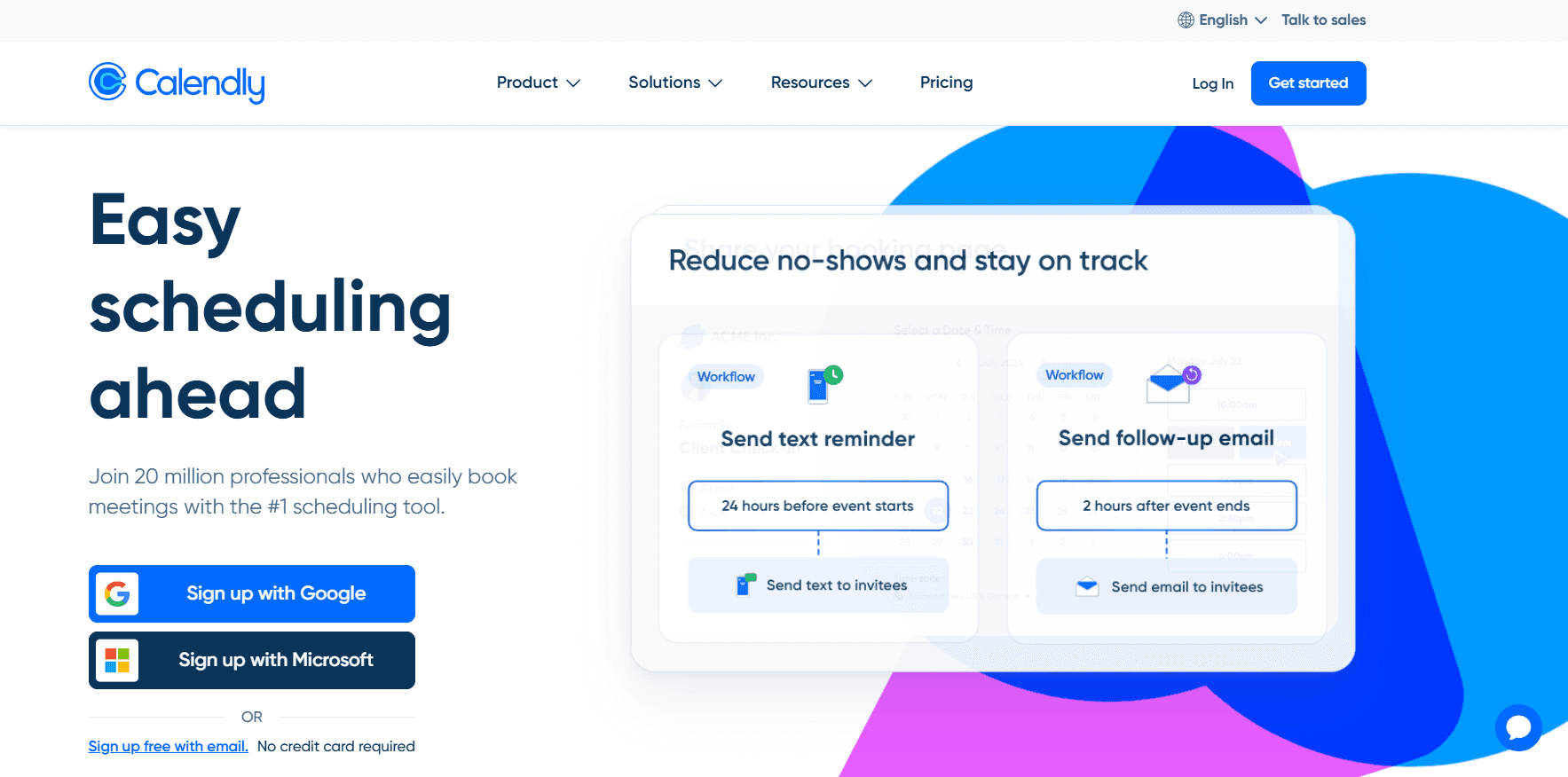
Calendly is a widely adopted scheduling tool that focuses on making it easy for prospects to book time once you've decided they should meet with your team.
Selected featuresPersonal and team booking links with configurable availability and buffers.
Basic team routing, such as round-robin and collective availability.
Reminders and follow-ups to reduce no-shows.
Calendly is best if you want lightweight scheduling, simple routing, and minimal setup. It doesn't handle deep qualification or complex territory logic, so you'll need other tools if those are your primary Chili Piper pain points.
Key features and capabilities to prioritize in a Chili Piper alternative
When comparing Chili Piper competitors, focus on the following capabilities, which all directly impact lead qualification, routing accuracy, and meeting conversion.
Real-time qualification (forms + chat + intent signals)
Your next platform should qualify leads the moment they engage. Look for tools that combine form responses, chat conversations, behavioral signals, and CRM context to decide if a lead fits your ICP and what should happen next.
The more signals you can factor in without manual work, the higher your meeting quality will be.
Rules + governance for routing (SLAs, territories, edge cases)
Routing breaks when territories overlap, reps are out, or SLA expectations aren't enforced. Prioritize alternatives that let RevOps configure territory precedence, fallback owners, and escalation paths in a way that non-engineers can maintain.
You should be able to see why a lead was routed to a specific rep and where it sits if no one picks it up.
CRM hygiene + attribution handoff
Make sure your replacement writes structured qualification notes, campaign or source data, lifecycle stages, and meeting details into the right objects automatically. That lets you report accurately on MQL to SQL conversion, rep performance, and channel ROI without constant manual cleanup.
Multi-channel engagement beyond form submission
Prioritize platforms that keep context across chat, email, and voice, trigger follow-up when someone doesn't book, and notify reps when a dormant lead re-engages. That multi-channel persistence prevents high-intent prospects from slipping through gaps between tools and teams.
How to choose a Chili Piper alternative for your team and workflows
Not every Chili Piper alternative solves the same problem, so evaluating tools against your GTM workflows, routing complexity, and qualification needs is critical before making the switch.
Questions to ask internally
Where do most inbound opportunities start: forms, chat, outbound replies, events, or something else?
Is your bigger issue slow booking speed or poor meeting quality from weak qualification?
Do you genuinely need complex territory and account-based routing, or would structured round-robin cover most cases?
What specific CRM fields and statuses must be updated before an AE sees a lead?
How are response-time SLAs defined, monitored, and enforced today?
Questions to ask vendors
How does your platform decide that a lead is qualified, and can you show that workflow using our criteria?
Which signals inform routing decisions: form data, CRM ownership, geography, intent, product interest, or all of the above?
Exactly which CRM objects and fields do you read from and write to automatically?
How are edge cases handled, such as no calendar availability, territory conflicts, or unowned accounts?
Which integrations are native, which require middleware, and what is the realistic implementation timeline for a team like ours?
Still relying on scheduling tools to capture inbound leads?
Spara qualifies inbound leads, routes them intelligently, and books meetings with full buying context already captured, across AI Voice, AI Chat, AI Email, and AI Text.

Lauren ThompsonHead of Marketing, Spara
FAQ
Related posts
View all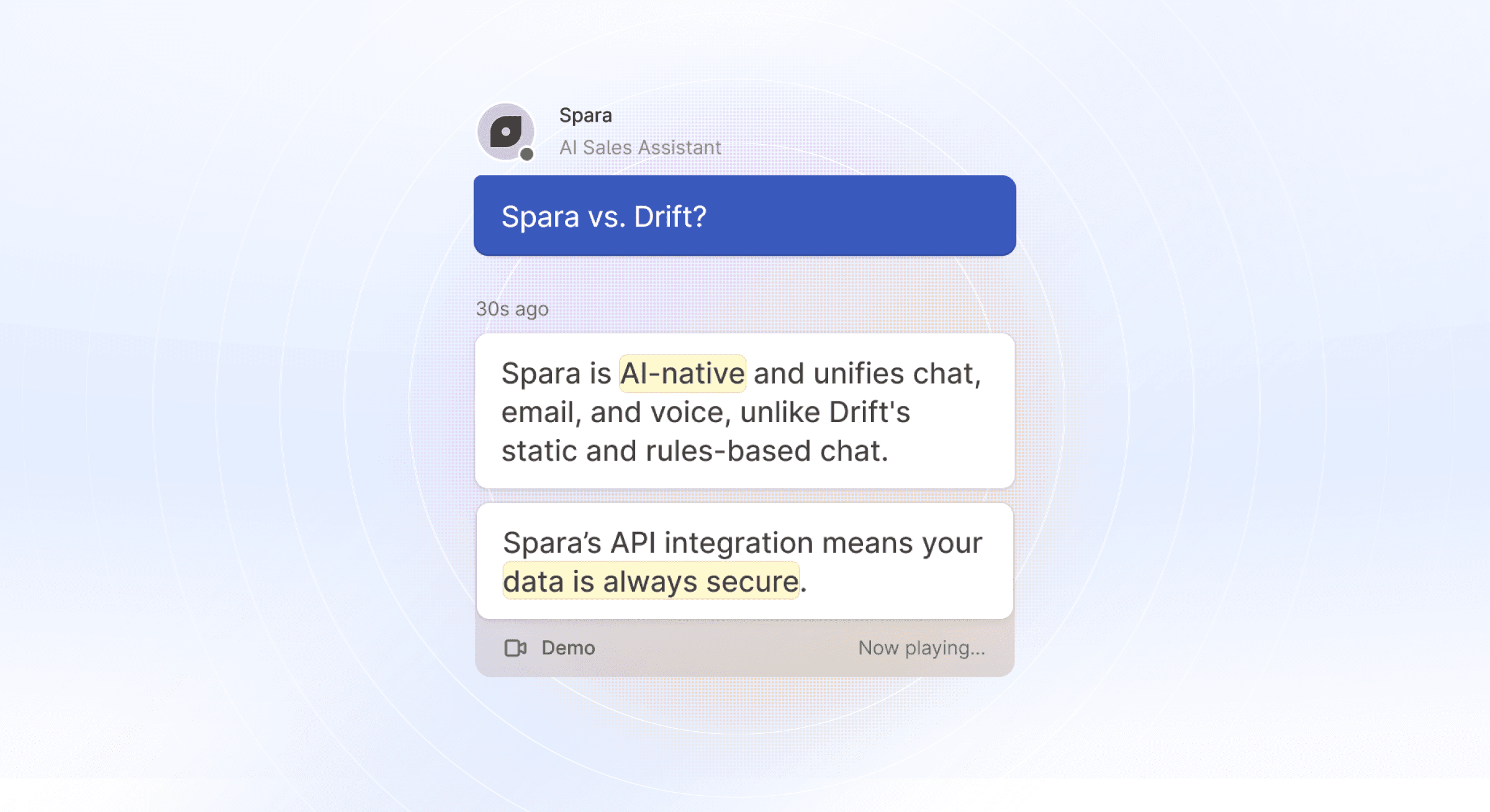
GTM
Top 5 Drift alternatives for better lead conversion
Drift alternatives drive more conversations, leads, and revenue growth. From AI chat to product demos, they personalize every stage of the customer journey.
Sep 14, 2026
•
10 min read

GTM
Databricks' Barry Dauber on why every project should start with impact, not AI
Barry Dauber runs Gen AI go-to-market at Databricks, talking companies down from AI hype every day. Here's his framework for scoping an AI project: name the metric, classify the initiative, and reserve the model for what actually needs one.
Sep 2, 2026
•
4 min read

GTM
How Clay's Head of GTM Engineering Took Event ROI From 2x to 10x
Everett Berry treats every dinner like a funnel. Here's the six-stage system — golden lists, leader-to-leader invites, engineered seating, automated follow-up — that took Clay's event ROI from 2x to 10x.
Aug 26, 2026
•
5 min read
Sign up for the latest from Spara
Subscribe to get more GTM insights straight to your inbox.